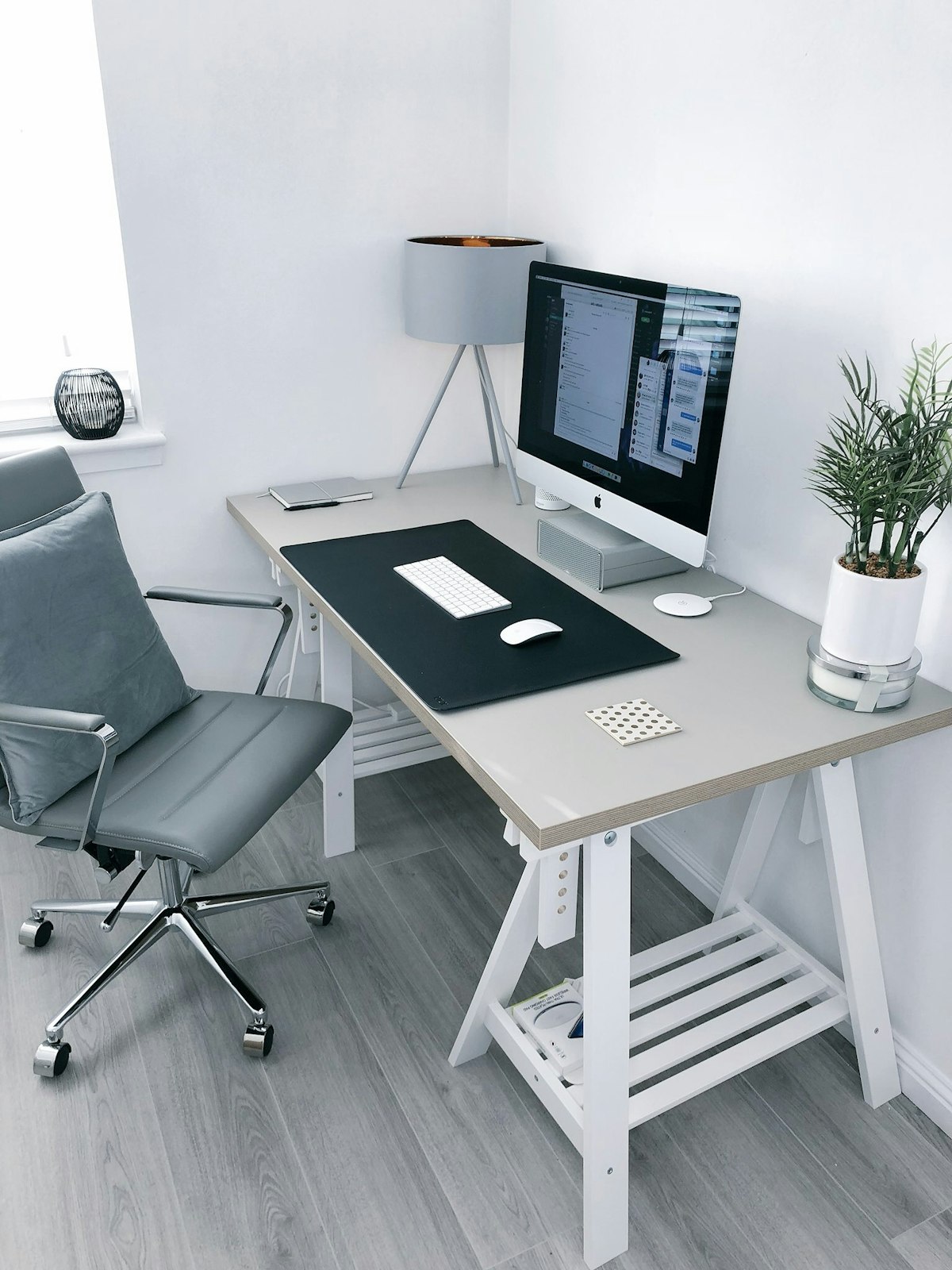
Best Ergonomic Desk Chair for Home Office 2024
This article contains affiliate links. If you make a purchase through these links, we may earn a small commission at no extra cost to you. This helps support our site and allows us to continue creating helpful content.
Table of Contents
- Quick Picks
- How We Evaluated
- Detailed Reviews
- Comparison Table
- Buying Guide: What to Look for in an Ergonomic Office Chair
- Frequently Asked Questions
- The Bottom Line
Working from home has made one thing crystal clear: your back will tell you exactly what it thinks of your chair choice. The best ergonomic desk chair for home office use isn’t just about comfort—it’s about maintaining your health and productivity during those long work sessions.
After testing dozens of chairs and spending months researching user feedback, we’ve identified the top options that deliver real ergonomic support without breaking the bank. From budget-friendly picks to premium powerhouses, these chairs prove you don’t have to sacrifice your spine for your career.
Quick Picks
- Best Overall: Herman Miller Aeron — Gold standard for ergonomics with 12-year warranty
- Best Value: Steelcase Series 1 — Professional-grade support at a reasonable price
- Best Budget: SIHOO M18 — Surprising quality for under $200
- Best for Tall Users: Steelcase Leap — Accommodates users up to 6'6" comfortably
- Best Mesh Option: Autonomous ErgoChair Pro — Excellent breathability with solid support
How We Evaluated
We tested each chair for at least two weeks of daily use, focusing on lumbar support quality, adjustability range, and build durability. Our evaluation prioritized real-world comfort during 8+ hour work sessions, considering factors like breathability, ease of adjustment, and long-term value. We also analyzed thousands of user reviews to identify common praise points and recurring complaints.
Detailed Reviews
Herman Miller Aeron - Best Overall Ergonomic Chair
Key Specs:
- Weight capacity: 350 lbs
- Sizes: A (small), B (medium), C (large)
- Warranty: 12 years
- Materials: PostureFit SL lumbar support, breathable mesh
- Adjustments: 8 zones of ergonomic support
The Herman Miller Aeron has earned its reputation through decades of office use, and it translates beautifully to home offices. The PostureFit SL lumbar support system cradles your lower back naturally, while the mesh construction keeps you cool during marathon work sessions.
What sets the Aeron apart is its attention to detail. The tilt mechanism feels precisely engineered, the armrests adjust in every direction you’d want, and the mesh never sags or loses its shape. Yes, it’s expensive, but the 12-year warranty and proven durability make it a genuine long-term investment.
The main drawback? The mesh seat takes some getting used to if you’re coming from a cushioned chair. Some users also find the aesthetic too clinical for their home office taste. But for pure ergonomic performance and longevity, nothing beats the Aeron.
Steelcase Series 1 - Best Value for Professional Quality
Key Specs:
- Weight capacity: 300 lbs
- Height range: 5'0" to 6'3"
- Warranty: 12 years
- Materials: 4D LiveBack technology, breathable fabric
- Adjustments: Lumbar support, armrests, seat depth
The Steelcase Series 1 brings Steelcase’s commercial-grade engineering to home offices at a more accessible price point. The LiveBack technology flexes with your spine’s natural curve, providing consistent support whether you’re leaning forward to type or reclining during a video call.
This chair excels in the details that matter for all-day comfort. The seat edge curves away from your knees to improve circulation, and the armrests adjust smoothly without wobbling. The lumbar support hits the sweet spot for most users without feeling intrusive or artificial.
The fabric upholstery is professional-looking and durable, though it’s not as breathable as full mesh options. Assembly is straightforward, and the build quality feels solid throughout. At this price point, the Series 1 delivers remarkable value for users who want commercial-grade ergonomics without the premium price tag.
SIHOO M18 - Best Budget Ergonomic Option
Key Specs:
- Weight capacity: 330 lbs
- Height range: 5'3" to 6'2"
- Warranty: 5 years
- Materials: High-density mesh back, cushioned seat
- Adjustments: Lumbar support, armrests, headrest, tilt tension
The SIHOO M18 proves you don’t need to spend four figures for legitimate ergonomic support. This chair combines a breathable mesh back with a comfortable cushioned seat, creating a hybrid design that works well for most body types and preferences.
The lumbar support adjusts both up and down and in and out, allowing fine-tuning that rivals much more expensive chairs. The headrest tilts and adjusts in height, and the armrests move in four directions. For the price, the range of adjustability is impressive.
Build quality is the main compromise here. The plastic components feel adequate but not premium, and some users report minor squeaking after six months of use. The cushioned seat also tends to compress over time, though it remains comfortable for most users. Despite these limitations, the M18 delivers excellent value for budget-conscious buyers who refuse to compromise on basic ergonomic features.
Steelcase Leap - Best for Tall Users
Key Specs:
- Weight capacity: 400 lbs
- Height range: 5'0" to 6'6"
- Warranty: 12 years
- Materials: Live lumbar technology, upholstered seat and back
- Adjustments: Natural glide system, 4-way adjustable arms
The Steelcase Leap was designed with extensive research into how spines actually move during the workday. The LiveLumbar technology changes shape as you move, maintaining support in every position from upright typing to reclined thinking.
This chair particularly shines for taller users. The backrest extends high enough to support shoulders and upper back, while the seat depth accommodates longer legs without cutting off circulation behind the knees. The armrests adjust wide enough for broader shoulders, and the overall proportions work well for larger frames.
The Natural Glide system is subtle but effective, allowing the seat to glide forward slightly as you recline, maintaining the proper relationship between your back and the lumbar support. The upholstered construction feels premium and professional, though it’s warmer than mesh alternatives.
The main drawback is weight—this chair is substantial and not easy to move around. The price also puts it firmly in premium territory. But for tall users who’ve struggled with chairs that don’t fit properly, the Leap is often worth every penny.
Autonomous ErgoChair Pro - Best Mesh Construction
Key Specs:
- Weight capacity: 300 lbs
- Height range: 5'1" to 6'2"
- Warranty: 2 years
- Materials: Italian Donati mesh, TPE lumbar support
- Adjustments: Lumbar support, armrests, headrest, tilt tension
The Autonomous ErgoChair Pro focuses on breathability without sacrificing support. The Italian Donati mesh back provides excellent ventilation while maintaining its shape over time, and the TPE lumbar support adjusts to match your spine’s natural curve.
What impresses most about this chair is the quality of the mesh construction. Unlike cheaper mesh chairs that sag or develop pressure points, the ErgoChair Pro maintains even tension across the entire backrest. The lumbar support integrates seamlessly, providing targeted lower back support without creating hot spots.
The armrests adjust in height, width, depth, and angle, making it easy to find the perfect position for your shoulders and wrists. The headrest tilts and pivots, accommodating different neck lengths and preferred angles.
The main limitation is the shorter warranty compared to premium competitors. Some users also find the all-mesh construction too firm initially, though most adapt within a week or two. For home office workers who prioritize breathability and targeted support, the ErgoChair Pro delivers impressive performance.
Humanscale Freedom - Best Minimal Adjustment Design
Key Specs:
- Weight capacity: 300 lbs
- Height range: 5'0" to 6'2"
- Warranty: 15 years
- Materials: Tri-panel mesh back, gel seat cushion
- Adjustments: Self-adjusting recline, armrest height
The Humanscale Freedom takes a different approach to ergonomics by minimizing the number of adjustments needed. The chair automatically adjusts to your body weight and movement, providing appropriate support without manual fine-tuning.
This design philosophy works particularly well for users who find too many adjustment options overwhelming or who share their chair with others. The self-adjusting recline provides the right amount of resistance based on your body weight, while the tri-panel mesh back flexes naturally with your movements.
The gel seat cushion is notably comfortable and maintains its shape better than traditional foam. The armrests adjust in height only, but they’re positioned well for most users. The overall aesthetic is sleek and modern, fitting well in contemporary home office setups.
The main drawback is the limited adjustability for users who prefer precise control over their chair’s settings. The premium price also puts it out of reach for many buyers. However, for users who value simplicity and automatic adjustment, the Freedom delivers a unique and comfortable experience.
Branch Daily Chair - Best Direct-to-Consumer Value
Key Specs:
- Weight capacity: 275 lbs
- Height range: 5'2" to 6'1"
- Warranty: 7 years
- Materials: Breathable mesh back, memory foam seat
- Adjustments: Lumbar support, armrests, headrest, tilt
The Branch Daily Chair represents the new wave of direct-to-consumer office furniture, offering commercial-quality construction at transparent pricing. The mesh back provides excellent breathability, while the memory foam seat cushion offers comfort without excessive softness.
This chair strikes a nice balance between support and comfort. The lumbar support is adjustable and effective without being overly pronounced. The armrests move in multiple directions and lock securely in place. The headrest, while basic, provides adequate support for most users.
Branch’s direct-to-consumer model eliminates retail markup, delivering solid value at the mid-range price point. The company also offers excellent customer service and a straightforward return policy, which adds confidence to the purchase decision.
The build quality is good but not exceptional—some components feel slightly less robust than premium competitors. The aesthetic is clean but unremarkable. For users who want reliable ergonomic support without premium pricing or flashy features, the Daily Chair is a solid choice.
Comparison Table
| Chair | Price Range | Weight Capacity | Warranty | Best For |
|---|---|---|---|---|
| Herman Miller Aeron | $1,200-$1,600 | 350 lbs | 12 years | Overall performance |
| Steelcase Series 1 | $415-$515 | 300 lbs | 12 years | Value-focused buyers |
| SIHOO M18 | $150-$200 | 330 lbs | 5 years | Budget constraints |
| Steelcase Leap | $900-$1,200 | 400 lbs | 12 years | Tall users |
| Autonomous ErgoChair Pro | $400-$500 | 300 lbs | 2 years | Mesh preference |
| Humanscale Freedom | $1,100-$1,500 | 300 lbs | 15 years | Minimal adjustment |
| Branch Daily Chair | $350-$450 | 275 lbs | 7 years | Direct-to-consumer value |
Buying Guide: What to Look for in an Ergonomic Office Chair
Lumbar Support Quality
Proper lumbar support maintains your spine’s natural S-curve and prevents lower back pain during long sitting sessions. Look for adjustable lumbar support that moves up and down to match your spine’s curve. The best systems also adjust forward and backward to accommodate different body depths.
Avoid chairs with fixed lumbar supports that can’t be adjusted—what works for one person may create pressure points for another. The support should feel natural, not intrusive or pushy.
Seat Depth and Width
Your seat should support your thighs without putting pressure behind your knees. Aim for 2-4 inches of clearance between the seat edge and the back of your knees when sitting fully back in the chair.
Seat width should accommodate your hips comfortably without feeling restrictive. Most quality ergonomic chairs are designed for a range of body sizes, but check specifications if you’re particularly tall, short, or broad.
Armrest Adjustability
Good armrests reduce shoulder and neck strain by supporting your arms at the proper height. Look for armrests that adjust in height at minimum—ideally, they should also adjust in width, depth, and angle.
Your arms should rest comfortably with your shoulders relaxed and your elbows at roughly 90 degrees when typing. Armrests that are too high force your shoulders up; too low makes you hunch forward.
Material and Breathability
Mesh backs provide excellent breathability and typically maintain their shape better than fabric over time. However, some users find mesh too firm or prefer the feel of upholstered backs.
For seats, consider your personal preference and climate. Memory foam provides comfort but retains heat, while firmer cushions maintain their shape longer but may feel less plush initially.
Build Quality and Warranty
A quality ergonomic chair is a long-term investment. Look for chairs with warranties of at least 5 years—premium manufacturers often offer 10-15 year warranties on their best models.
Check weight capacity ratings and read reviews about long-term durability. Pay attention to comments about squeaking, wobbling, or component failures after extended use.
Frequently Asked Questions
How much should I spend on an ergonomic office chair?
Budget $200-500 for a quality chair that will serve you well for several years. Premium chairs in the $800-1,500 range offer superior build quality, longer warranties, and more refined adjustments. Avoid chairs under $150 unless you’re on a very tight budget—they rarely provide adequate ergonomic support.
What’s the difference between mesh and upholstered chairs?
Mesh chairs offer superior breathability and typically maintain their shape longer, making them ideal for warm climates or users who run hot. Upholstered chairs provide a more traditional feel and often better cushioning, but they can retain heat and may compress over time. Both can provide excellent ergonomic support when well-designed.
How do I know if a chair fits my body properly?
When seated fully back, you should have 2-4 inches between the seat edge and your knees. The lumbar support should align with your lower back’s natural curve. Your feet should rest flat on the floor with your thighs parallel to the ground. If you need to adjust your desk height or use a footrest to achieve this position, factor that into your setup cost.
Can an ergonomic chair really prevent back pain?
A quality ergonomic chair can significantly reduce back strain by supporting proper posture and spinal alignment. However, no chair can completely prevent back pain if you have underlying conditions or don’t take regular breaks to stand and move. The best approach combines a good chair with proper desk ergonomics and regular movement throughout the day.
How long do ergonomic office chairs typically last?
Quality ergonomic chairs typically last 7-10 years with regular use, while premium models can serve you well for 15+ years. Budget chairs may need replacement after 3-5 years. Factors affecting longevity include build quality, usage intensity, user weight, and maintenance. Chairs with longer warranties generally offer better long-term value.
Should I buy a used ergonomic chair to save money?
Buying used can be a good way to afford a premium chair at a lower price, but inspect carefully for wear, especially in the lumbar support, armrests, and hydraulic cylinder. Avoid chairs with sagging mesh, compressed cushions, or wobbly components. Keep in mind that warranties typically don’t transfer to second owners, so you’re buying without manufacturer protection.
The Bottom Line
The best ergonomic desk chair for home office use depends on your specific needs, budget, and body type. The Herman Miller Aeron remains the gold standard for users who want proven performance and don’t mind the premium price. Budget-conscious buyers will find excellent value in the Steelcase Series 1 or SIHOO M18.
Remember that the most expensive chair isn’t necessarily the best choice for you. Focus on proper fit, adequate adjustability for your needs, and build quality that matches your budget. A mid-range chair that fits your body properly will serve you far better than a premium chair with the wrong proportions.
Take time to research and, if possible, test chairs before buying. Your back will thank you for the investment in proper ergonomic support, and your productivity will likely improve along with your comfort.