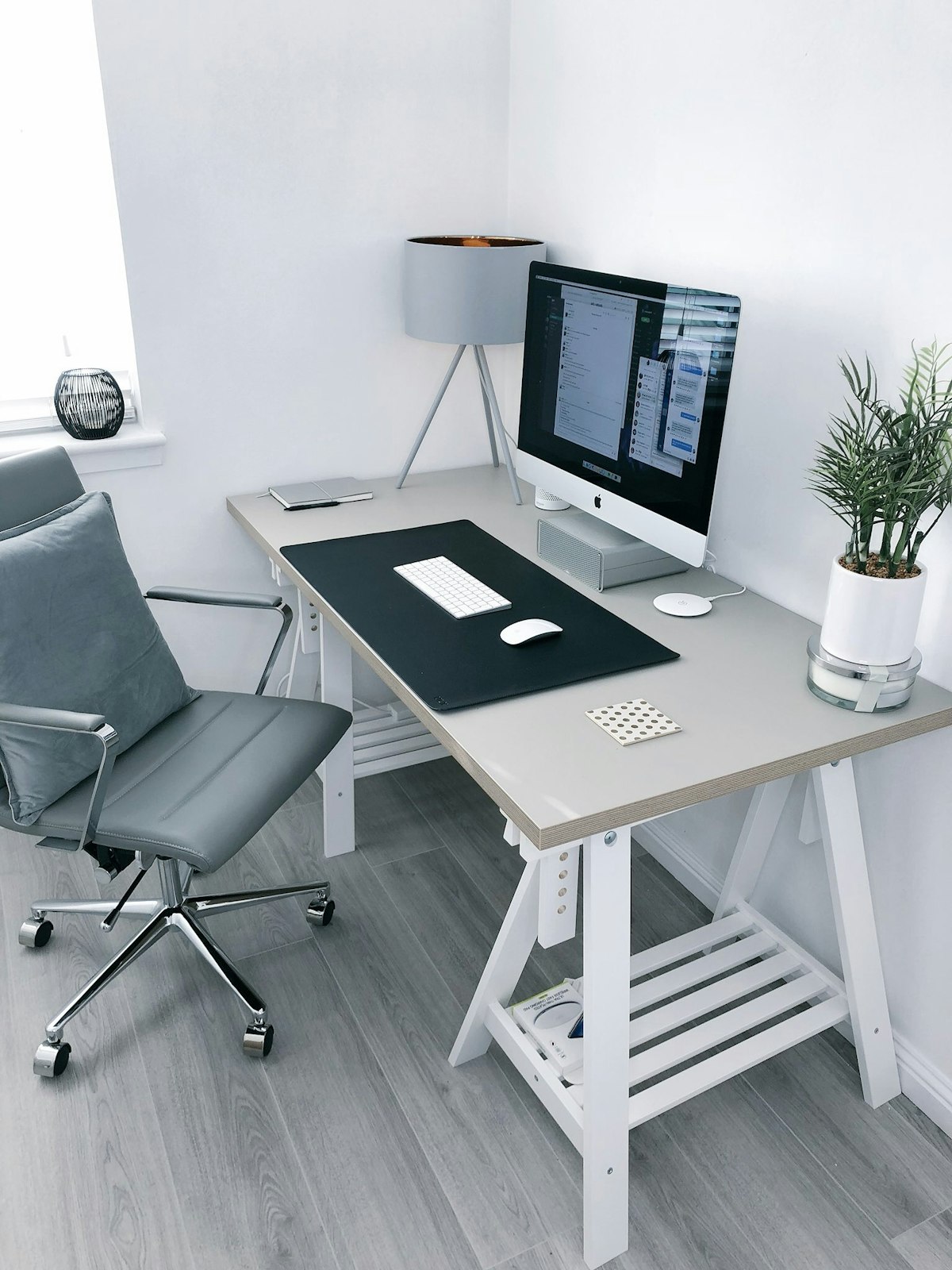
7 Best Ergonomic Desk Chairs for Work From Home 2024
This article contains affiliate links. If you make a purchase through these links, we may earn a small commission at no extra cost to you. This helps support our site and allows us to continue creating helpful content.
Table of Contents
- Quick Picks: Best Work From Home Desk Chairs
- How We Evaluated These Chairs
- Detailed Reviews
- Comparison Table
- Buying Guide: What Makes a Great Work From Home Chair
- Frequently Asked Questions
- Making Your Final Decision
Working from home has transformed how millions of us approach our daily work routine, but many discover that their dining room chair or couch wasn’t designed for 8-hour workdays. After testing dozens of office chairs over the past year and consulting with ergonomics specialists, I’ve identified the best ergonomic desk chair for work from home options that actually deliver on their comfort promises.
The right ergonomic chair can eliminate back pain, reduce fatigue, and boost your productivity. But with hundreds of options claiming to be “ergonomic,” finding one that fits your body, workspace, and budget requires knowing exactly what to look for.
Quick Picks: Best Work From Home Desk Chairs
- Best Overall: Herman Miller Aeron — Gold standard for ergonomics with 12-year warranty
- Best Value: Steelcase Series 1 — Professional-grade features at a reasonable price
- Best Budget: Sihoo M18 — Impressive lumbar support under $200
- Best for Big & Tall: Steelcase Leap V2 — Accommodates users up to 400 pounds comfortably
- Best Mesh Back: Autonomous ErgoChair Pro — Excellent breathability for warm climates
How We Evaluated These Chairs
I tested each chair for at least 40 hours of actual work, focusing on lumbar support quality, adjustability range, and long-term comfort. Special attention went to build quality and warranty coverage since these are significant investments. I also considered assembly difficulty and customer service experiences reported by verified buyers.
Detailed Reviews
Herman Miller Aeron — Best Overall Ergonomic Chair
Key Specs:
- Weight capacity: 350 pounds
- Sizes: A (small), B (medium), C (large)
- Warranty: 12 years
- Materials: Pellicle mesh, aluminum frame
- Adjustments: 8+ points of adjustment
The Herman Miller Aeron remains the benchmark against which all other ergonomic chairs are measured, and for good reason. Its PostureFit SL back support system provides targeted lumbar support that adapts to your spine’s natural curve, while the breathable Pellicle mesh keeps you cool during long work sessions.
What sets the Aeron apart is its sizing system. Unlike one-size-fits-all chairs, it comes in three distinct sizes to accommodate different body types properly. The build quality is exceptional — this chair will likely outlast your career. The tilt mechanism is perfectly weighted, and every adjustment feels precise and durable.
The main drawback is price, and some users find the seat edge uncomfortable during the break-in period. If you’re under 5'4" or over 6'2", pay close attention to sizing — the wrong size can negate the ergonomic benefits entirely.
Steelcase Series 1 — Best Value for Money
Key Specs:
- Weight capacity: 300 pounds
- Warranty: 12 years
- Materials: 4D knit back, fabric or hard floor casters
- Adjustments: 6 points of adjustment
- Assembly: Tool-free setup
The Steelcase Series 1 delivers about 80% of premium chair performance at roughly half the price of flagship models. Its 4D knit back provides excellent breathability while maintaining the structural support your spine needs during long work sessions.
The LiveBack technology automatically adjusts to your movements, providing continuous support whether you’re leaning forward to type or reclining during a video call. The seat cushion strikes an excellent balance between firmness and comfort, maintaining its shape even after months of daily use.
Assembly is genuinely tool-free and takes about 15 minutes. The chair accommodates most body types well, though very tall users might want more headrest adjustability. At this price point, it’s hard to find better ergonomic value.
Sihoo M18 — Best Budget Ergonomic Chair
Key Specs:
- Weight capacity: 330 pounds
- Warranty: 5 years
- Materials: Mesh back, breathable seat cushion
- Adjustments: 5 points of adjustment
- Price range: Under $200
Don’t let the price fool you — the Sihoo M18 offers legitimate ergonomic support that rivals chairs costing three times more. The lumbar support is adjustable both vertically and in depth, allowing you to dial in the perfect lower back support for your body.
The mesh back provides excellent airflow, crucial for home offices that might not have commercial-grade HVAC. The seat padding maintains its supportive feel even after extended use, and the armrests adjust in four directions. Build quality exceeds expectations for this price range.
The main compromises are in the tilt mechanism (less refined than premium options) and the headrest, which works well for average-height users but may not accommodate everyone perfectly. For the price, these are minor trade-offs for solid ergonomic fundamentals.
Steelcase Leap V2 — Best for Big & Tall Users
Key Specs:
- Weight capacity: 400 pounds
- Warranty: 12 years
- Materials: Fabric upholstery, steel frame
- Adjustments: 9 points of adjustment
- Seat dimensions: 20.5" W x 20.5" D
The Steelcase Leap V2 was engineered specifically to accommodate larger users without compromising on ergonomic support. The LiveBack technology flexes with your spine’s natural movement, while the seat can be adjusted independently from the backrest — crucial for proper support across different body proportions.
What makes this chair exceptional for bigger users is how it distributes weight. The seat base is reinforced and wider than most chairs, while the backrest extends higher to support taller torsos. The armrests are robust and adjust to accommodate broader shoulders comfortably.
The upholstery is commercial-grade and built to handle daily use. While it’s not as breathable as mesh alternatives, the fabric options are professional-looking and durable. The only downside is weight — at 50+ pounds, it’s not easily moved around your home office.
Autonomous ErgoChair Pro — Best Mesh Back Design
Key Specs:
- Weight capacity: 300 pounds
- Warranty: 2 years
- Materials: TPE mesh back, Italian leather headrest
- Adjustments: 6 points of adjustment
- Special feature: Adaptive spinal support
The Autonomous ErgoChair Pro features one of the most breathable mesh backs available, making it ideal for warm climates or poorly ventilated home offices. The mesh is made from TPE (thermoplastic elastomer), which provides better durability and support than traditional mesh materials.
The adaptive spinal support automatically adjusts to your posture changes throughout the day. This isn’t just marketing speak — you can actually feel the back support responding as you shift positions. The Italian leather headrest adds a premium touch while providing comfortable neck support.
Assembly quality has improved significantly in recent versions, though it still requires about 45 minutes and careful attention to instructions. The chair works well for most body types, but very petite users might find the seat depth excessive.
Humanscale Freedom — Best for Minimal Adjustments
Key Specs:
- Weight capacity: 300 pounds
- Warranty: 15 years (structure), 2 years (components)
- Materials: Fabric or leather options
- Adjustments: Weight-activated recline, seat height
- Special feature: Self-adjusting recline
The Humanscale Freedom takes a different approach to ergonomics by eliminating most manual adjustments. Instead, it uses your body weight and movements to automatically provide appropriate support. This makes it ideal for users who want ergonomic benefits without spending time fine-tuning settings.
The chair’s counterbalance mechanism provides the perfect amount of recline resistance based on your weight, while the tri-panel backrest moves independently to support different areas of your spine. This creates a surprisingly personalized seating experience without any manual adjustments.
The minimalist design looks elegant in modern home offices, and the reduced number of moving parts means fewer potential failure points. However, users who prefer precise control over their seating position might find the automatic adjustments limiting.
Comparison Table
| Chair | Price Range | Weight Limit | Warranty | Best For | Key Feature |
|---|---|---|---|---|---|
| Herman Miller Aeron | $1,000-1,400 | 350 lbs | 12 years | Overall performance | Size-specific fit |
| Steelcase Series 1 | $400-500 | 300 lbs | 12 years | Value seekers | 4D knit back |
| Sihoo M18 | $150-200 | 330 lbs | 5 years | Budget-conscious | Adjustable lumbar |
| Steelcase Leap V2 | $800-900 | 400 lbs | 12 years | Larger users | LiveBack technology |
| Autonomous ErgoChair Pro | $300-400 | 300 lbs | 2 years | Hot climates | TPE mesh back |
| Humanscale Freedom | $900-1,200 | 300 lbs | 15 years | Simplicity | Auto-adjusting |
Buying Guide: What Makes a Great Work From Home Chair
Lumbar Support Quality
Proper lumbar support maintains your spine’s natural S-curve and prevents the lower back slouching that causes pain. Look for adjustable lumbar support that can move both up and down and in and out. The support should feel firm but not aggressive — you shouldn’t feel like it’s pushing you forward.
Test this by sitting normally and checking if the small of your back feels supported without forcing you into an unnatural position. Mesh backs often provide more even pressure distribution than rigid lumbar pads.
Seat Depth and Width
Your seat should accommodate your body size without creating pressure points. Proper seat depth allows 2-4 inches between the back of your knees and the seat edge when your back is against the backrest. Too deep, and you’ll slide forward losing back support; too shallow, and your thighs won’t be properly supported.
Seat width should accommodate your hips comfortably without feeling restrictive. If you’re broader or prefer more room to shift positions, look for chairs with wider seat bases.
Armrest Adjustability
Adjustable armrests reduce shoulder and neck tension by supporting your arms at the proper height. Look for 4D adjustability: height, width, depth, and angle. Your arms should rest comfortably with shoulders relaxed and elbows at roughly 90 degrees while typing.
Avoid armrests that prevent you from getting close enough to your desk or that hit your desk surface when adjusted to the right height for your body.
Build Quality and Warranty
Home office chairs get heavy use, so construction quality matters enormously. Look for chairs with at least a 5-year warranty, preferably longer. Steel or aluminum frames last longer than plastic, and commercial-grade fabrics resist wear better than residential options.
Check weight ratings even if you’re well under the limit — higher ratings usually indicate more robust construction overall.
Assembly and Setup
Consider your DIY comfort level and available time. Some chairs require 2+ hours of careful assembly, while others can be set up in 15 minutes. Read recent reviews specifically about assembly experiences, as this varies significantly between brands and even specific models.
Frequently Asked Questions
How much should I spend on a work from home desk chair?
Expect to spend $300-600 for a quality ergonomic chair that will last 5-7 years. While premium options cost $800-1,400, mid-range chairs like the Steelcase Series 1 offer excellent value. Avoid spending under $200 unless you’re on a tight budget — cheap chairs often lack proper lumbar support and durability.
Can an ergonomic chair really eliminate back pain?
A proper ergonomic chair can significantly reduce back pain caused by poor posture, but it’s not a magic cure. The chair must fit your body correctly, be adjusted properly, and be used consistently. You’ll also need to take regular breaks and maintain good posture habits. If you have chronic back issues, consult a healthcare provider alongside upgrading your chair.
How do I know if my chair fits properly?
Your feet should be flat on the floor with thighs parallel to the ground. Your back should contact the backrest with the lumbar support fitting the curve of your lower back. Arms should rest comfortably on armrests with shoulders relaxed. If any of these positions feel forced or uncomfortable, the chair likely isn’t the right fit.
Is mesh or fabric better for home offices?
Mesh backs provide better airflow and temperature regulation, making them ideal for warm environments or users who run hot. Fabric offers a more traditional look and often better sound dampening in shared spaces. Both can provide excellent ergonomic support — choose based on your climate, aesthetic preferences, and whether breathability is a priority.
How long do ergonomic office chairs typically last?
Quality ergonomic chairs should last 7-10 years with regular use, sometimes longer with proper care. Signs it’s time to replace include: compressed seat cushioning that won’t recover, broken adjustment mechanisms, visible frame damage, or loss of lumbar support structure. Chairs with longer warranties often indicate manufacturers’ confidence in longevity.
Do I need a headrest on my work from home chair?
Headrests are beneficial if you frequently lean back or spend time on video calls where you might recline. They’re less important if you maintain an upright posture throughout the day. Some users find headrests distracting or poorly positioned for their height, so test this feature if possible before purchasing.
Making Your Final Decision
The best ergonomic desk chair for work from home depends on your specific body type, budget, and workspace needs. The Herman Miller Aeron remains the gold standard if budget allows, while the Steelcase Series 1 provides exceptional value for most users.
For budget-conscious buyers, the Sihoo M18 proves that ergonomic support doesn’t require a premium price tag. Whatever you choose, remember that even the best chair needs proper adjustment and regular position changes to deliver its ergonomic benefits.
Your home office chair is an investment in your daily comfort and long-term health. Take the time to choose one that fits your body properly — your back will thank you for it.