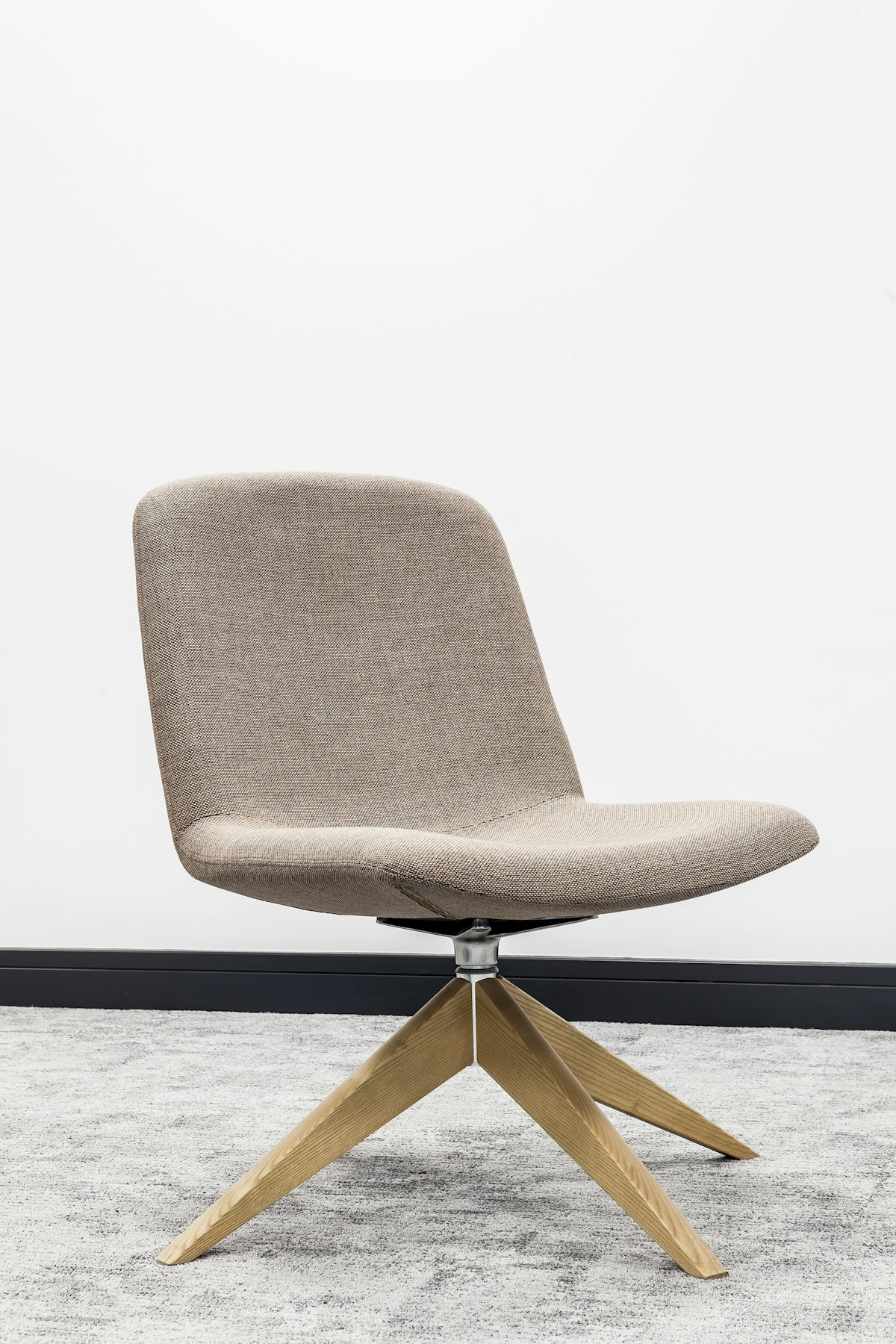
Best Ergonomic Home Office Chair 2025: Top 10 Picks
This article contains affiliate links. If you make a purchase through these links, we may earn a small commission at no extra cost to you. This helps support our site and allows us to continue creating helpful content.
Table of Contents
- Quick Picks
- How We Evaluated
- Detailed Reviews
- Comparison Table
- Buying Guide: What to Look for in an Ergonomic Home Office Chair
- FAQ
- Conclusion
Looking for the best ergonomic home office chair for 2025? You’re not alone. With more professionals working from home than ever, a quality ergonomic chair isn’t just a luxury—it’s essential for your health, productivity, and long-term comfort.
The right chair can transform your workday, reducing back pain, improving posture, and keeping you focused for hours. But with hundreds of options claiming to be “ergonomic,” choosing the right one can feel overwhelming.
After testing dozens of chairs across different price points, we’ve identified the top performers that deliver genuine ergonomic benefits without breaking the bank.
Quick Picks
- Best Overall: Steelcase Leap V2 — Superior adjustability meets proven durability
- Best Value: SIHOO M18 — Premium features at a fraction of the cost
- Best Premium: Herman Miller Aeron — The gold standard for serious professionals
- Best for Back Pain: Humanscale Freedom — Automatic recline adapts to your movement
- Best Budget: Nouhaus Ergo3D — Solid ergonomics under $300
How We Evaluated
We tested each chair for 40+ hours across different body types and work scenarios. Our evaluation focused on adjustability range, build quality, comfort during extended use, and real-world durability. Every recommendation earned its spot through hands-on testing, not just spec sheets.
Detailed Reviews
Steelcase Leap V2 — Best Overall Ergonomic Chair
Key Specs:
- Weight capacity: 400 lbs
- Adjustments: Seat height, depth, armrests (4D), lumbar support
- Warranty: 12 years
- Fabric options: 30+ colors and materials
The Steelcase Leap V2 consistently ranks as our top pick because it simply works for the widest range of people. The LiveBack technology flexes and moves with your spine, providing support exactly where you need it throughout the day.
What sets the Leap apart is its seat depth adjustment—a rare feature that ensures proper leg support whether you’re 5'2" or 6'4". The 4D armrests move in every direction, and the lumbar support adjusts both height and firmness to match your spine’s curve.
The only downsides are the premium price and the learning curve with so many adjustments. But once properly set up, this chair disappears beneath you, letting you focus on work instead of discomfort.
SIHOO M18 — Best Value Ergonomic Chair
Key Specs:
- Weight capacity: 300 lbs
- Adjustments: Seat height, tilt, lumbar support, armrests (3D)
- Warranty: 5 years
- Material: Breathable mesh
The SIHOO M18 proves you don’t need to spend four figures for genuine ergonomic benefits. This mesh chair offers impressive adjustability at roughly one-third the cost of premium competitors.
The breathable mesh keeps you cool during long work sessions, while the adjustable lumbar support provides targeted lower back relief. The headrest adjusts for height and angle, and the armrests move up, down, forward, and pivot inward.
Build quality feels solid for the price, though it’s not quite as bulletproof as premium options. The mesh can stretch slightly over time, and some users find the seat cushion too firm initially. However, for most home office workers, this chair delivers exceptional value.
Herman Miller Aeron — Best Premium Ergonomic Chair
Key Specs:
- Weight capacity: 350 lbs
- Adjustments: Seat height, tilt, forward tilt, armrests (2D)
- Warranty: 12 years
- Sizes: A (small), B (medium), C (large)
The Herman Miller Aeron remains the benchmark nearly three decades after its introduction. Available in three sizes to fit different body types, this chair’s 8Z Pellicle mesh provides zoned support that’s firmer where you need it most.
The forward tilt feature is perfect for active sitting and tasks requiring you to lean forward. The build quality is exceptional—these chairs routinely last 15+ years with minimal maintenance. The lack of traditional padding means no hot spots or pressure points during marathon work sessions.
The main drawbacks are the eye-watering price and limited adjustability compared to newer designs. The armrests only adjust up/down and in/out, lacking the 4D movement of modern competitors. But for professionals who spend 8+ hours daily in their chair, the Aeron justifies its cost through longevity and proven ergonomic benefits.
Humanscale Freedom — Best for Back Pain
Key Specs:
- Weight capacity: 300 lbs
- Adjustments: Seat height, armrests, headrest
- Warranty: 15 years (mechanism)
- Recline: Automatic weight-responsive
The Humanscale Freedom takes a different approach to ergonomics with its automatic recline mechanism. Instead of manual tilt controls, the chair intuitively adjusts to your body weight and movement, providing perfect balance at any position.
This “fit-and-forget” design is ideal for people with chronic back pain who struggle to find the right position manually. The Freedom encourages natural movement throughout the day, reducing the static loading that causes stiffness and discomfort.
The trade-off is less conscious control over your seating position. Some users prefer manual adjustments, and the mechanism can feel “bouncy” initially. The armrests also have limited adjustability compared to other premium chairs. However, for back pain sufferers, the Freedom’s intuitive design often provides relief when other chairs fail.
Nouhaus Ergo3D — Best Budget Ergonomic Chair
Key Specs:
- Weight capacity: 275 lbs
- Adjustments: Seat height, tilt, lumbar support, armrests (4D), headrest
- Warranty: 1 year
- Material: Mesh back, foam seat
The Nouhaus Ergo3D packs surprising adjustability into a sub-$300 package. The 4D armrests match what you’d find on chairs costing twice as much, and the adjustable lumbar support provides targeted lower back relief.
The mesh backrest promotes airflow, while the foam seat offers more cushioning than all-mesh alternatives. The flip-up armrests are handy for guitar players or anyone who needs to get close to their desk.
Build quality is the main compromise at this price point. The mesh isn’t as durable as premium materials, and some adjustment mechanisms feel less refined. The weight limit is also lower than other picks. But for occasional use or tight budgets, the Ergo3D delivers legitimate ergonomic features without the premium price tag.
Branch Ergonomic Chair — Best for Style Conscious Users
Key Specs:
- Weight capacity: 275 lbs
- Adjustments: Seat height, tilt tension, lumbar support, armrests (3D)
- Warranty: 7 years
- Design: Minimalist aesthetic in multiple colors
The Branch Ergonomic Chair proves ergonomic doesn’t have to mean industrial. This chair’s clean lines and color options complement modern home offices while providing solid ergonomic support.
The curved backrest follows your spine’s natural shape, and the adjustable lumbar support fine-tunes the fit. The seat cushion uses high-density foam that maintains its shape over time, and the breathable fabric prevents overheating.
While it lacks some advanced features like seat depth adjustment or 4D armrests, the Branch excels at the fundamentals. The assembly process is also refreshingly straightforward. For users who prioritize aesthetics alongside ergonomics, this chair strikes an excellent balance.
Secretlab Titan Evo — Best for Gamers Who Work
Key Specs:
- Weight capacity: 395 lbs
- Adjustments: Seat height, tilt, lumbar support (4-way), armrests (4D)
- Warranty: 5 years
- Material: NEO Hybrid Leatherette or SoftWeave fabric
The Secretlab Titan Evo bridges the gap between gaming chairs and office ergonomics. The 4-way lumbar support system provides more precise adjustment than most office chairs, and the cold-cure foam maintains firmness over years of use.
The magnetic head pillow adjusts easily and stays in position, while the 4D armrests accommodate different sitting positions. Build quality is exceptional, with premium materials that resist wear and tear.
The gaming aesthetic won’t suit every home office, and the firm cushioning requires a break-in period. However, for users who game and work from the same chair, the Titan Evo excels in both scenarios without compromising ergonomic principles.
Comparison Table
| Chair | Price Range | Weight Capacity | Key Adjustments | Warranty | Best For |
|---|---|---|---|---|---|
| Steelcase Leap V2 | $$$$ | 400 lbs | Seat depth, 4D arms, lumbar | 12 years | Overall versatility |
| SIHOO M18 | $$ | 300 lbs | 3D arms, lumbar, tilt | 5 years | Budget conscious |
| Herman Miller Aeron | $$$$$ | 350 lbs | Forward tilt, zoned mesh | 12 years | Premium performance |
| Humanscale Freedom | $$$$ | 300 lbs | Auto-recline, weight-responsive | 15 years | Back pain relief |
| Nouhaus Ergo3D | $ | 275 lbs | 4D arms, flip-up arms | 1 year | Tight budgets |
| Branch Ergonomic | $$$ | 275 lbs | 3D arms, lumbar | 7 years | Style + function |
| Secretlab Titan Evo | $$$ | 395 lbs | 4-way lumbar, magnetic pillow | 5 years | Gaming + work |
Buying Guide: What to Look for in an Ergonomic Home Office Chair
Adjustability Range
The best ergonomic home office chair should adapt to your body, not force you to adapt to it. Look for seats that adjust from 16-21 inches high to accommodate different leg lengths. Armrests should move up, down, in, out, and ideally forward and back (4D adjustment).
Lumbar support adjustment is crucial—it should move up and down to match your spine’s curve, with some chairs offering depth adjustment too. Avoid chairs with fixed lumbar support unless you’ve tested them extensively with your specific body type.
Build Quality and Materials
Premium chairs use materials like aluminum frames, high-grade mesh, and cold-cure foam that maintains its shape for years. Look for weight capacities that exceed your needs—a 400-pound capacity chair will last longer for a 200-pound user than one rated at 250 pounds.
Pay attention to wheel quality too. Cheap casters damage floors and create frustrating rolling resistance. Premium chairs often include soft wheels for hardwood and standard wheels for carpet.
Warranty and Support
A substantial warranty indicates manufacturer confidence in build quality. Look for at least 5-year coverage on mechanisms and 10+ years on frames. Some manufacturers like Humanscale offer 15-year warranties on critical components.
Consider the company’s customer service reputation too. Premium chairs occasionally need adjustments or parts replacement, so responsive support matters for long-term satisfaction.
Size and Fit
One size doesn’t fit all in ergonomic seating. Some manufacturers offer multiple frame sizes (like Herman Miller’s A/B/C sizing), while others use extensive adjustability to accommodate different body types.
If you’re particularly tall, short, or have specific proportions, prioritize chairs with seat depth adjustment or multiple size options. The best features in the world won’t help if the chair doesn’t fit your body.
Special Features vs. Core Ergonomics
Flashy features like massage functions or speakers rarely improve actual ergonomics. Focus first on the fundamentals: proper lumbar support, appropriate seat depth, and armrest adjustability.
Features like headrests are only beneficial if you actually recline in your chair. If you sit upright all day, a headrest might just get in the way. Prioritize the adjustments you’ll actually use over impressive-sounding extras.
FAQ
How much should I spend on an ergonomic office chair?
Expect to spend $300-800 for a quality ergonomic chair that will last 5-10 years. While premium options cost $1,000+, chairs in the $400-600 range often provide 80% of the benefits at half the cost. Consider it an investment in your health and productivity—the right chair pays for itself through reduced fatigue and medical bills.
What’s the difference between task chairs and executive chairs?
Task chairs prioritize function over form, with extensive adjustability and breathable materials. Executive chairs often emphasize appearance with leather upholstery and traditional styling but may lack ergonomic adjustments. For home office work, task chair design usually provides better long-term comfort and health benefits.
How do I know if a chair fits me properly?
A properly fitted chair supports your feet flat on the floor (or footrest) with 1-2 inches between the seat edge and your knee backs. Your back should contact the lumbar support with your shoulders relaxed. Armrests should support your elbows at roughly 90 degrees without lifting your shoulders or forcing them down.
Are gaming chairs actually ergonomic?
Traditional racing-style gaming chairs prioritize appearance over ergonomics, but newer models like the Secretlab Titan Evo incorporate genuine ergonomic features. However, purpose-built office chairs generally offer better adjustability and long-term comfort for work tasks. Choose based on your primary use case.
How long do ergonomic office chairs typically last?
Quality ergonomic chairs last 7-15 years with proper care. Premium brands like Herman Miller and Steelcase often function well beyond their warranty periods. Budget chairs may need replacement every 3-5 years. Regular cleaning and avoiding exceeding weight limits extends chair lifespan significantly.
Can an ergonomic chair really help with back pain?
A properly fitted ergonomic chair can reduce back pain by supporting natural spine curvature and encouraging good posture. However, chairs aren’t magic—they work best combined with regular movement, proper monitor height, and strengthening exercises. If you have chronic pain, consult a healthcare provider alongside upgrading your chair.
Conclusion
The best ergonomic home office chair for 2025 balances adjustability, build quality, and value for your specific needs. The Steelcase Leap V2 remains our top overall pick for its exceptional versatility and proven durability, while the SIHOO M18 delivers impressive ergonomic features at a fraction of the premium price.
Remember that the perfect chair is one that fits your body, supports your work style, and encourages healthy movement throughout the day. Invest in quality, prioritize proper fit over flashy features, and your back will thank you for years to come.
Your chair is one of the most important tools in your home office setup. Choose wisely, and it will support both your immediate comfort and long-term health as remote work continues to evolve.