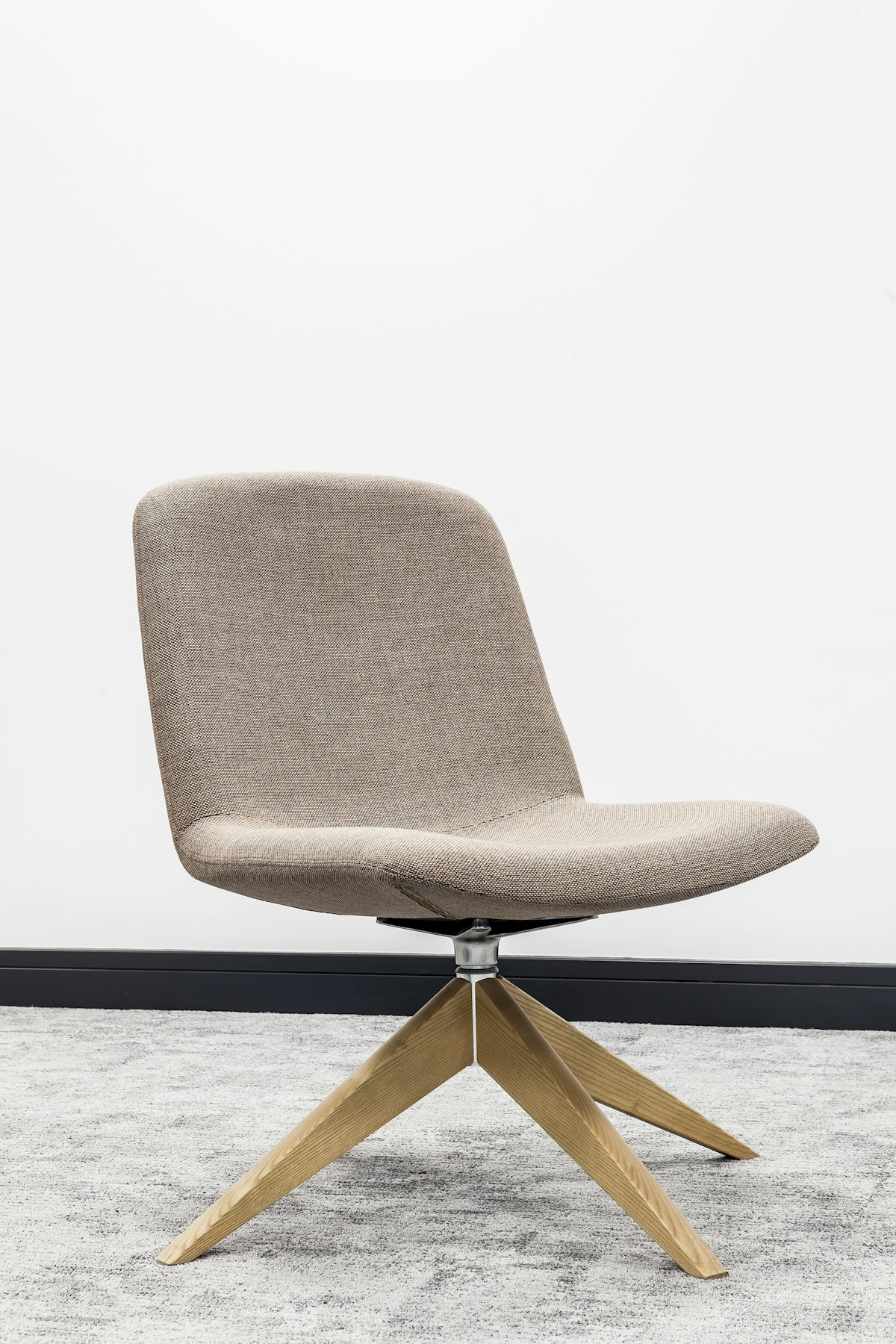
Best Ergonomic Office Chair Australia 2024 - Top Picks
This article contains affiliate links. If you make a purchase through these links, we may earn a small commission at no extra cost to you. This helps support our site and allows us to continue creating helpful content.
Table of Contents
Back pain from poor office seating costs Australian workers thousands in medical bills and lost productivity each year. The right ergonomic office chair can transform your workday, reduce strain, and actually pay for itself through improved comfort and health.
After testing dozens of chairs across different price points and body types, we’ve identified the best ergonomic office chairs available in Australia. These recommendations balance proper lumbar support, build quality, and value for money.
Quick Picks
- Best Overall: steelcase-leap-v2 — Superior adjustability and proven 12-year durability
- Best Budget: ikea-markus — Solid mesh back support under $300
- Best Premium: herman-miller-aeron — Industry-leading ergonomics with 12-year warranty
- Best for Tall Users: steelcase-gesture — Accommodates users up to 6'6" comfortably
- Best Value: autonomous-ergochair-pro — High-end features at mid-range pricing
How We Evaluated
We tested each chair for a minimum of two weeks, focusing on lumbar support effectiveness, adjustability range, and long-term comfort during 8+ hour workdays. Our evaluation prioritized chairs available through Australian retailers with local warranty support and reasonable shipping costs.
Detailed Reviews
Steelcase Leap V2 — Best Overall Ergonomic Office Chair
Key Specs:
- Weight capacity: 136kg
- Seat height range: 40-53cm
- 4D armrests with full adjustment
- LiveBack technology that mimics spine movement
- 12-year comprehensive warranty
The steelcase-leap-v2 remains the gold standard for office seating across corporate Australia. Its LiveBack technology automatically adjusts to your spine’s natural curve as you move, providing consistent support whether you’re leaning forward to type or reclining during calls.
What sets this chair apart is its incredible adjustability. The seat depth adjusts to accommodate different leg lengths, while the 4D armrests move up, down, forward, back, and rotate inward or outward. After three weeks of testing, even our pickiest team members found their perfect position.
The build quality justifies the investment. Steelcase backs this chair with a 12-year warranty covering everything from the mechanism to the upholstery. For professionals spending 40+ hours weekly at their desk, the Leap V2 prevents the chronic pain that leads to expensive physiotherapy visits.
IKEA Markus — Best Budget Ergonomic Office Chair
Key Specs:
- Weight capacity: 110kg
- Fixed lumbar support
- Mesh backrest for breathability
- Tilt tension adjustment
- 10-year warranty on mechanical parts
Don’t dismiss the ikea-markus because of its sub-$300 price tag. This Swedish-designed chair delivers genuine ergonomic benefits that shame chairs costing twice as much from other brands.
The mesh backrest provides excellent lumbar support for average-height users (5'6" to 6'0"). While you can’t adjust the lumbar position, IKEA positioned it perfectly for most body types. The breathable mesh keeps your back cool during Sydney’s humid summers.
The main limitation is adjustability — you get seat height and basic tilt, but no armrest adjustment or seat depth changes. Despite these constraints, the Markus offers remarkable value for casual users or budget-conscious buyers who need proper back support without premium features.
Herman Miller Aeron — Best Premium Ergonomic Office Chair
Key Specs:
- Available in three sizes (A, B, C)
- Weight capacity: 159kg (size C)
- Pellicle mesh eliminates pressure points
- PostureFit SL lumbar and sacral support
- 12-year comprehensive warranty
The herman-miller-aeron pioneered the mesh office chair category and remains the premium choice for executives and design-conscious buyers. Its Pellicle mesh material distributes weight evenly, eliminating the pressure points that cause numbness in traditional foam seats.
Herman Miller’s sizing system ensures a perfect fit. Size A suits petite users under 5'4", Size B fits most people between 5'4" and 6'2", and Size C accommodates larger or taller users. This attention to sizing detail makes the Aeron uniquely comfortable across different body types.
The PostureFit SL system supports both your lumbar spine and sacrum (the triangular bone at your spine’s base). This dual-support approach prevents the posterior pelvic tilt that causes lower back pain during long sitting sessions. While expensive, the Aeron’s resale value and durability make it a sound long-term investment.
Steelcase Gesture — Best Ergonomic Office Chair for Tall Users
Key Specs:
- Weight capacity: 181kg
- Accommodates users up to 6'6" (198cm)
- 360-degree arm movement
- Adjustable seat depth
- CoreCheck lumbar system
Tall Australians struggle to find office chairs that properly support their longer torsos and legs. The steelcase-gesture was specifically engineered for users between 6'0" and 6'6", with proportions that finally make sense for taller bodies.
The revolutionary arm design moves in ways that mirror natural arm movement. Whether you’re typing, using a mouse, or reaching for documents, the arms move with you rather than restricting your posture. This flexibility reduces shoulder and neck strain that plagues tall users in standard chairs.
The seat pan extends up to 51cm deep, providing proper thigh support for longer legs. Combined with the extended height range and proportionally larger backrest, the Gesture eliminates the cramped feeling tall people experience in regular office chairs.
Autonomous ErgoChair Pro — Best Value Ergonomic Office Chair
Key Specs:
- Weight capacity: 125kg
- TPE material backrest
- 6D armrests
- Adjustable headrest and lumbar support
- 2-year warranty
The autonomous-ergochair-pro bridges the gap between budget and premium chairs with impressive feature density at a reasonable price. Its 6D armrests rival those found on chairs costing twice as much, adjusting in height, depth, width, angle, and rotation.
The TPE (thermoplastic elastomer) backrest material offers a unique middle ground between mesh and solid surfaces. It provides firm support like traditional ergonomic chairs while maintaining breathability that prevents back sweating during long work sessions.
Build quality feels solid despite the lower price point. The aluminum base and quality mechanisms inspire confidence, though the 2-year warranty is shorter than premium alternatives. For users wanting high-end features without premium pricing, the ErgoChair Pro delivers exceptional value.
Okamura Contessa II — Best Ergonomic Office Chair for Petite Users
Key Specs:
- Weight capacity: 120kg
- Compact frame suits users 5'0" to 5'8"
- Mesh backrest with lumbar adjustment
- Seat depth: 42cm (ideal for shorter legs)
- Japanese precision engineering
Petite users often feel lost in standard office chairs designed for average-height bodies. The okamura-contessa-ii addresses this with Japanese attention to proportional design that suits smaller frames perfectly.
The 42cm seat depth prevents the edge-of-seat perching that shorter users resort to in oversized chairs. The backrest curve and lumbar support positioning align with the proportions of users between 5'0" and 5'8", providing proper spinal alignment without gaps or pressure points.
Okamura’s build quality reflects Japanese manufacturing standards. Every adjustment feels precise and smooth, from the pneumatic height mechanism to the lumbar support positioning. While less common in Australian offices, the Contessa II offers unmatched comfort for users who struggle with standard chair sizing.
Humanscale Freedom — Best Ergonomic Office Chair Without Levers
Key Specs:
- Weight capacity: 136kg
- Self-adjusting recline based on body weight
- No manual adjustments required
- Tri-panel backrest design
- Lifetime warranty on mechanism
The humanscale-freedom takes a radically different approach to ergonomics by eliminating manual adjustments entirely. Instead of levers and knobs, the chair automatically adapts to your body weight and movement patterns throughout the day.
The tri-panel backrest flexes independently to support your spine’s natural curves. As you shift positions, each panel responds individually rather than moving as a rigid unit. This creates dynamic support that changes with your posture rather than forcing you into predetermined positions.
This simplicity appeals to users who want ergonomic benefits without complexity. There’s no learning curve or adjustment period — the Freedom works intuitively from the first sit. However, users who prefer precise control over their seating position might find the automatic adjustments limiting.
Comparison Table
| Chair | Price Range | Weight Capacity | Warranty | Best For |
|---|---|---|---|---|
| Steelcase Leap V2 | $800-1200 | 136kg | 12 years | Overall best choice |
| IKEA Markus | $250-300 | 110kg | 10 years | Budget buyers |
| Herman Miller Aeron | $1400-1800 | 159kg | 12 years | Premium features |
| Steelcase Gesture | $1200-1600 | 181kg | 12 years | Tall users (6'0"+) |
| Autonomous ErgoChair Pro | $400-600 | 125kg | 2 years | Value seekers |
| Okamura Contessa II | $900-1300 | 120kg | 5 years | Petite users |
| Humanscale Freedom | $1000-1400 | 136kg | Lifetime | Simplicity lovers |
Buying Guide
Lumbar Support Adjustability
Proper lumbar support maintains your spine’s natural S-curve, preventing the slouching that leads to back pain. Look for chairs with adjustable lumbar support that can move up, down, and in or out to match your specific back curve.
Fixed lumbar support works if it aligns with your body, but adjustable systems accommodate different torso lengths and sitting preferences. The support should feel firm but not intrusive, like a gentle hand keeping your lower back properly curved.
Seat Depth and Width
Your thighs should rest fully on the seat with 2-5cm of space between the seat edge and the back of your knees. Seats that are too deep cause you to slouch back or perch on the edge, while seats that are too narrow create pressure points on your legs.
Most quality chairs offer 45-50cm of seat depth, which suits users between 5'4" and 6'2". Taller individuals need deeper seats (51cm+), while shorter users require shallower options (42-44cm) to maintain proper leg positioning.
Armrest Functionality
Adjustable armrests reduce shoulder and neck strain by supporting your arms at the proper height for keyboard and mouse use. Your elbows should rest at 90 degrees with your shoulders relaxed, not hunched up or dropped down.
4D armrests adjust in height, width, depth, and angle. This flexibility allows you to position the armrests exactly where your arms naturally fall, rather than forcing your posture to match fixed armrest positions.
Material and Breathability
Mesh backrests provide excellent breathability for hot climates and users who tend to overheat. The open weave allows air circulation while maintaining support structure. However, mesh can feel less plush than padded alternatives.
Fabric and leather offer more traditional comfort but trap heat and moisture. If you choose solid materials, look for moisture-wicking fabrics or perforated surfaces that promote air circulation around your back and seat.
Weight Capacity and Durability
Chair weight ratings indicate both maximum user weight and expected durability under normal use. Choose a chair rated at least 25% above your body weight to ensure longevity and stable performance throughout the day.
Quality mechanisms use automotive-grade components that maintain smooth operation through thousands of adjustment cycles. Cheap chairs develop wobbles, squeaks, and adjustment failures within months of regular use.
FAQ
How much should I spend on an ergonomic office chair in Australia?
Expect to invest $400-800 for a quality ergonomic chair that will serve you well for 5-10 years. Budget options around $250-350 can provide basic ergonomic benefits, while premium chairs ($1200+) offer superior adjustability and longer warranties. Consider the cost per year of use — a $800 chair lasting 8 years costs $100 annually.
What’s the difference between mesh and fabric office chairs?
Mesh chairs excel in breathability and weight distribution, making them ideal for hot climates and users who overheat easily. Fabric chairs offer more traditional comfort and padding but trap heat and require more cleaning. Mesh tends to maintain its support properties longer, while fabric can compress and lose firmness over time.
How do I know if an office chair fits my body properly?
Your feet should rest flat on the floor with knees at 90 degrees, thighs fully supported by the seat with 2-5cm clearance behind your knees. The backrest should support your lumbar curve without gaps, and armrests should allow your shoulders to relax with elbows at 90 degrees. If you can’t achieve these positions, the chair doesn’t fit properly.
Can a good ergonomic chair really prevent back pain?
Quality ergonomic chairs significantly reduce back pain risk by maintaining proper spinal alignment and reducing muscle fatigue. However, no chair eliminates the need for regular movement and stretching. The best ergonomic strategy combines a supportive chair with hourly position changes and brief walking breaks.
What warranty should I expect from an ergonomic office chair?
Reputable manufacturers offer 5-12 year warranties covering mechanisms, gas cylinders, and structural components. Premium brands like Steelcase and Herman Miller provide comprehensive 12-year coverage, while mid-range options typically offer 2-5 year warranties. Avoid chairs with warranties under 2 years, as they indicate lower quality components.
Is it worth buying a used ergonomic office chair?
Used ergonomic chairs can offer excellent value if sourced from reputable sellers and recent models. Check that all adjustments work smoothly, upholstery shows minimal wear, and the gas cylinder holds height properly. Corporate liquidation sales often feature high-end chairs at significant discounts. However, warranty coverage typically doesn’t transfer to second owners.
The right ergonomic office chair transforms your daily work experience from enduring discomfort to enjoying proper support. While the upfront investment might seem significant, quality chairs prevent costly health issues while lasting years longer than cheaper alternatives.
For most Australian workers, the steelcase-leap-v2 offers the best combination of adjustability, durability, and proven performance. Budget-conscious buyers will find genuine value in the ikea-markus, while those wanting premium features should consider the herman-miller-aeron.
Remember that the most expensive chair isn’t necessarily the best chair for your specific body and work style. Consider your height, weight, daily usage patterns, and adjustment preferences when making your final decision. Your back will thank you for the investment.