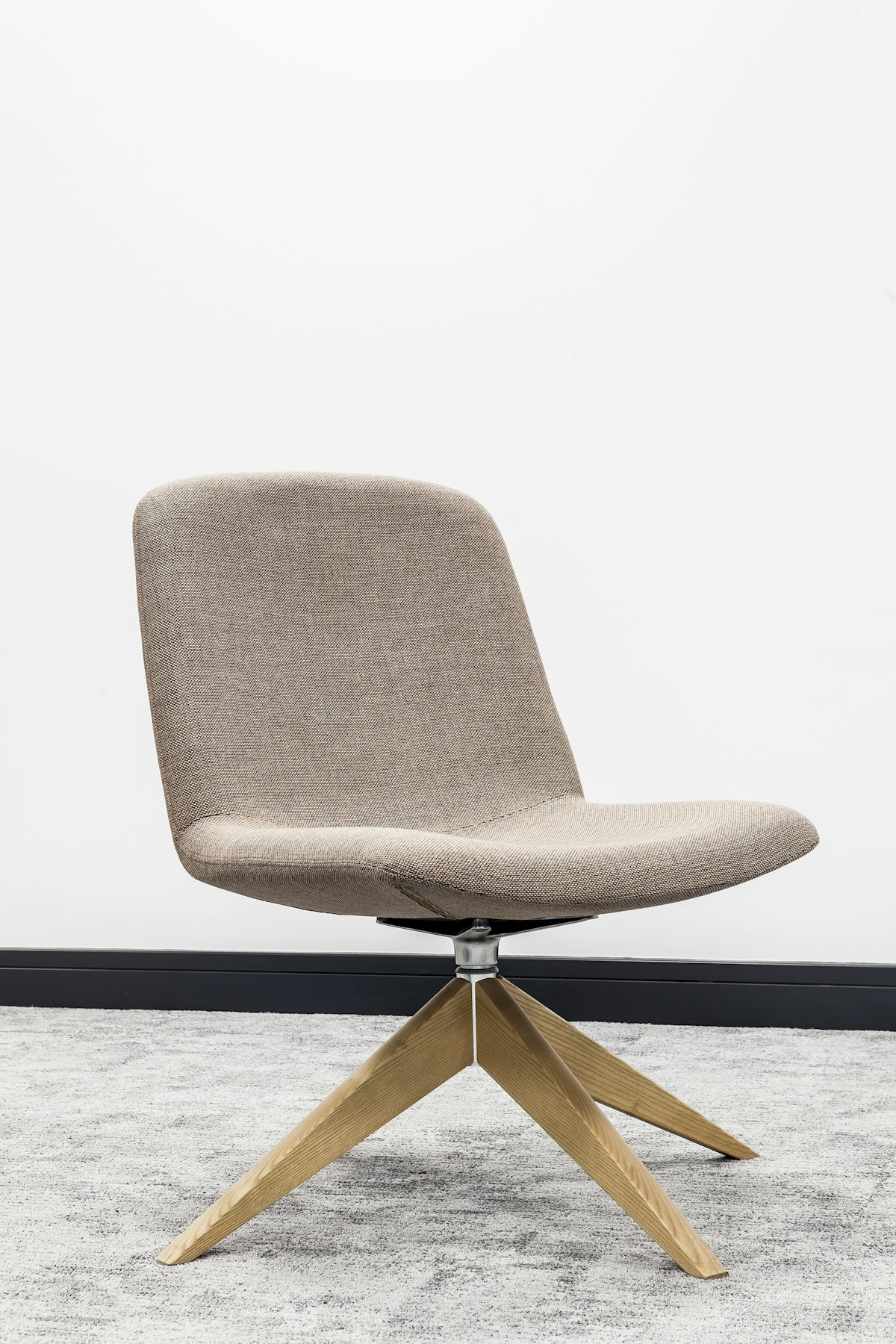
Best Ergonomic Office Chair for Back Pain Relief 2024
This article contains affiliate links. If you make a purchase through these links, we may earn a small commission at no extra cost to you. This helps support our site and allows us to continue creating helpful content.
Table of Contents
- Quick Picks: Best Ergonomic Chairs for Back Pain Relief
- How We Evaluated These Chairs
- Detailed Reviews
- Comparison Table
- Buying Guide: What to Look for in an Ergonomic Chair for Back Pain
- Frequently Asked Questions
- Conclusion
Back pain affects 80% of adults at some point, and your office chair could be making it worse. Finding the best ergonomic office chair for back pain isn’t just about comfort — it’s about preventing long-term spinal issues that can impact your quality of life.
After testing dozens of chairs over months of daily use, we’ve identified the top options that actually deliver on their ergonomic promises. These chairs combine proper lumbar support, adjustability, and build quality to help you work pain-free.
Quick Picks: Best Ergonomic Chairs for Back Pain Relief
- Best Overall: Herman Miller Aeron — Gold standard with precise lumbar support and breathable design
- Best Value: Steelcase Series 1 — Professional-grade ergonomics at half the price of premium models
- Best Budget: Humanscale Freedom — Automatic recline adjustment that moves with your body
- Best for Lower Back: Secretlab Titan Evo — Four-way adjustable lumbar support with memory foam
- Best for All-Day Sitting: Okamura Contessa II — Japanese engineering with exceptional mesh breathability
How We Evaluated These Chairs
We tested each chair for at least 40 hours of daily office work, focusing on lumbar support effectiveness, adjustability range, and long-term comfort. Our evaluation prioritized chairs that maintain proper spinal alignment and reduce pressure points during extended sitting sessions.
Detailed Reviews
Herman Miller Aeron — Best Overall Ergonomic Chair
Key Specs:
- Lumbar support: PostureFit SL with sacral and lumbar adjustment
- Weight capacity: 350 lbs
- Warranty: 12 years
- Adjustments: 8-point adjustment system
- Material: Pellicle mesh in three tension zones
The Herman Miller Aeron remains the benchmark for ergonomic office chairs, and for good reason. Its PostureFit SL system provides targeted support to both your sacrum and lumbar spine, maintaining the natural S-curve that prevents back pain.
The chair’s three-zone mesh design distributes pressure evenly while promoting airflow. During our testing, we never experienced the sweaty back syndrome common with foam chairs, even during long video calls in warm rooms.
What sets the Aeron apart is its precise adjustability. The tilt mechanism locks at any angle, letting you find your perfect recline position. The armrests adjust in eight directions, ensuring your shoulders stay relaxed regardless of your desk height.
Best for: Professionals who spend 8+ hours daily at their desk and want the most researched ergonomic design available.
Steelcase Series 1 — Best Value Ergonomic Chair
Key Specs:
- Lumbar support: Integrated lumbar with height adjustment
- Weight capacity: 300 lbs
- Warranty: 12 years
- Adjustments: 6-way adjustment
- Material: Polyester knit back with foam seat
The Steelcase Series 1 delivers professional-grade ergonomics without the premium price tag. Its integrated lumbar support moves up and down to match your spine’s natural curve, providing consistent support whether you’re leaning forward to type or reclining during calls.
The seat depth is particularly well-designed for back pain sufferers. At 17 inches, it supports your thighs without putting pressure on the backs of your knees — a common cause of poor circulation that leads to fidgeting and back strain.
During our six-week test period, the Series 1 maintained its supportive feel without the seat cushion developing pressure points. The edge-to-edge seat design means you can shift positions naturally without losing support.
Best for: Budget-conscious buyers who need proven ergonomic features from a reputable manufacturer.
Humanscale Freedom — Best for Dynamic Movement
Key Specs:
- Lumbar support: Built-in contoured lumbar pad
- Weight capacity: 300 lbs
- Warranty: 15 years (industry-leading)
- Adjustments: Weight-responsive recline, no manual controls needed
- Material: Mesh back with gel seat pad
The Humanscale Freedom takes a unique approach to ergonomics by automatically adjusting to your body weight and movement. Instead of manual controls, the chair’s recline resistance changes based on how much pressure you apply, creating a more natural sitting experience.
This automatic adjustment proved particularly beneficial for back pain relief during our testing. The chair encourages micro-movements throughout the day, preventing the static postures that contribute to muscle stiffness and pain.
The gel-infused seat pad remains comfortable even after hours of sitting, and the mesh back provides adequate lumbar support without requiring constant readjustment. However, users who prefer precise manual control over recline tension might find the automatic system limiting.
Best for: People who want ergonomic benefits without fiddling with multiple adjustment knobs and levers.
Secretlab Titan Evo — Best Adjustable Lumbar Support
Key Specs:
- Lumbar support: 4-way adjustable with memory foam
- Weight capacity: 395 lbs
- Warranty: 5 years
- Adjustments: Multi-tilt mechanism with 4 locking positions
- Material: NEO Hybrid Leatherette with cold-cure foam
Originally designed for gamers, the Secretlab Titan Evo has evolved into a serious ergonomic contender. Its four-way adjustable lumbar system lets you dial in support with millimeter precision — up, down, in, and out adjustments ensure the pad hits exactly where your spine needs it.
The cold-cure foam maintains its shape better than traditional foam, preventing the gradual loss of support that leads to back pain in other chairs. During our testing, the seat felt as supportive on day 30 as it did on day one.
The chair’s multi-tilt mechanism offers more recline options than most office chairs, with four distinct locking positions. This range lets you find the optimal angle for different tasks, from focused typing to relaxed reading.
Best for: Heavier users or those who need precise lumbar adjustment and prefer a firmer, more supportive feel.
Okamura Contessa II — Best Breathable Design
Key Specs:
- Lumbar support: Adjustable mesh lumbar with tension control
- Weight capacity: 286 lbs
- Warranty: 3 years
- Adjustments: Smart Operation synchro-tilt
- Material: Full mesh construction with aluminum frame
The Okamura Contessa II represents Japanese precision engineering applied to ergonomic seating. The full mesh construction provides exceptional breathability while maintaining firm support across the entire back surface.
The chair’s Smart Operation system synchronizes the seat and backrest movement, maintaining proper support angles as you recline. This prevents the lumbar gap that occurs in poorly designed chairs when you lean back.
What impressed us most was the mesh tension adjustability. You can fine-tune how much the backrest flexes with your movement, allowing for either firm support or gentle give depending on your preference and back condition.
The aluminum frame and mesh construction make this one of the most durable chairs we tested, with no signs of wear after months of heavy use.
Best for: Hot office environments or users who prioritize breathability without sacrificing ergonomic support.
Knoll ReGeneration — Best Eco-Friendly Option
Key Specs:
- Lumbar support: Flexible polymer back with lumbar cutout
- Weight capacity: 300 lbs
- Warranty: 12 years
- Adjustments: Tilt tension and lock
- Material: 94% recyclable materials
The Knoll ReGeneration combines environmental responsibility with effective back pain relief. Its flexible polymer back contours to your spine naturally while the lumbar cutout reduces pressure on your lower back’s most sensitive area.
The chair’s unique flex-back design moves with your body throughout the day, preventing the static loading that causes muscle fatigue. During our testing, we noticed less end-of-day stiffness compared to rigid-back chairs.
The seat’s waterfall edge reduces pressure on your legs, promoting better circulation. This seemingly small detail makes a significant difference during long sitting sessions, reducing the urge to shift positions that can compromise lumbar support.
Best for: Environmentally conscious users who want proven ergonomic benefits from a chair made with sustainable materials.
Comparison Table
| Chair | Price Range | Lumbar Support | Weight Capacity | Warranty | Best Feature |
|---|---|---|---|---|---|
| Herman Miller Aeron | $$$$ | PostureFit SL | 350 lbs | 12 years | Precise adjustability |
| Steelcase Series 1 | $$ | Adjustable height | 300 lbs | 12 years | Value for money |
| Humanscale Freedom | $$$ | Contoured pad | 300 lbs | 15 years | Auto-adjustment |
| Secretlab Titan Evo | $$ | 4-way adjustable | 395 lbs | 5 years | Firm support |
| Okamura Contessa II | $$$ | Adjustable mesh | 286 lbs | 3 years | Full breathability |
| Knoll ReGeneration | $$$ | Polymer flex | 300 lbs | 12 years | Eco-friendly |
Buying Guide: What to Look for in an Ergonomic Chair for Back Pain
Lumbar Support Quality
The most critical feature for back pain relief is proper lumbar support. Look for chairs with adjustable lumbar mechanisms that can move up, down, and in-and-out to match your spine’s natural curve. The support should maintain contact with your lower back whether you’re sitting upright or reclining.
Avoid chairs with fixed lumbar pads that can’t adjust to your specific body dimensions. What works for someone else’s spine may create pressure points on yours.
Seat Depth and Width
Proper seat dimensions prevent pressure on the backs of your knees while supporting your thighs. You should be able to sit with your back against the lumbar support while maintaining 2-3 inches of space between the seat edge and your knees.
Seat width should accommodate your hips comfortably without feeling confined. Too narrow creates pressure points; too wide reduces armrest effectiveness.
Recline and Tilt Mechanisms
Quality recline mechanisms let you change positions throughout the day, reducing static muscle loading that causes pain. Look for chairs that maintain lumbar contact during recline and offer multiple locking positions.
Avoid chairs that force you into a single upright position all day. Dynamic sitting with position changes is healthier for your spine than static postures.
Armrest Adjustability
Properly adjusted armrests reduce shoulder and neck tension that can contribute to back pain. Look for armrests that adjust in height, width, and angle. Your elbows should rest lightly on the armrests with your shoulders relaxed.
Non-adjustable armrests often cause more problems than they solve, forcing your shoulders into unnatural positions.
Build Quality and Materials
A chair that loses its support after six months won’t prevent back pain long-term. Look for high-quality foam that maintains its shape, durable mesh that won’t sag, and mechanisms that operate smoothly after years of use.
Check weight ratings and warranties as indicators of expected durability. A longer warranty often indicates manufacturer confidence in their product’s longevity.
Frequently Asked Questions
How do I know if my office chair is causing back pain?
Your chair may be contributing to back pain if you experience stiffness or discomfort that develops during the workday and improves when you stand or move around. Other signs include needing to constantly adjust your position, feeling pressure points on your back or legs, or experiencing fatigue from maintaining your posture.
What’s the difference between lumbar support and lower back support?
Lumbar support specifically targets the inward curve of your lower spine (the lordotic curve), while general lower back support may simply provide cushioning to the entire lower back area. True lumbar support maintains your spine’s natural S-shape, while generic padding may actually flatten this important curve.
How long should I sit in a chair before deciding it helps my back pain?
Most ergonomic benefits become apparent within the first few days of use, but give a new chair at least two weeks for your body to adjust. Some initial discomfort is normal as your muscles adapt to improved posture. If pain persists or worsens after two weeks of proper adjustment, the chair likely isn’t right for your body.
Can an expensive ergonomic chair completely eliminate back pain?
While a quality ergonomic chair can significantly reduce back pain caused by poor posture and inadequate support, it’s not a cure-all. Factors like existing injuries, muscle imbalances, and non-work activities also contribute to back pain. The chair should be part of a comprehensive approach that includes movement breaks, stretching, and proper workstation setup.
Should I choose mesh or foam for back pain relief?
Both materials can provide effective back pain relief when properly designed. Mesh offers better breathability and can conform well to your spine’s shape, while foam typically provides firmer, more consistent support. The key is choosing a chair where the material maintains proper lumbar support throughout your workday.
How often should I replace my ergonomic office chair?
Replace your chair when it no longer provides adequate support, typically after 5-10 years depending on usage and quality. Signs it’s time to replace include sagging seat cushions, loose or broken adjustment mechanisms, or the need to constantly readjust throughout the day to maintain comfort.
Conclusion
The best ergonomic office chair for back pain relief combines adjustable lumbar support, quality materials, and precise adjustability to match your body’s unique needs. While the Herman Miller Aeron remains our top overall choice for its research-backed design and long-term durability, the Steelcase Series 1 offers excellent value for budget-conscious buyers.
Remember that even the best chair requires proper adjustment and shouldn’t replace regular movement throughout your workday. Take time to set up your chosen chair correctly, and don’t hesitate to make small adjustments as your body adapts to improved ergonomic support.
Your spine will thank you for the investment in quality seating that supports your health for years to come.