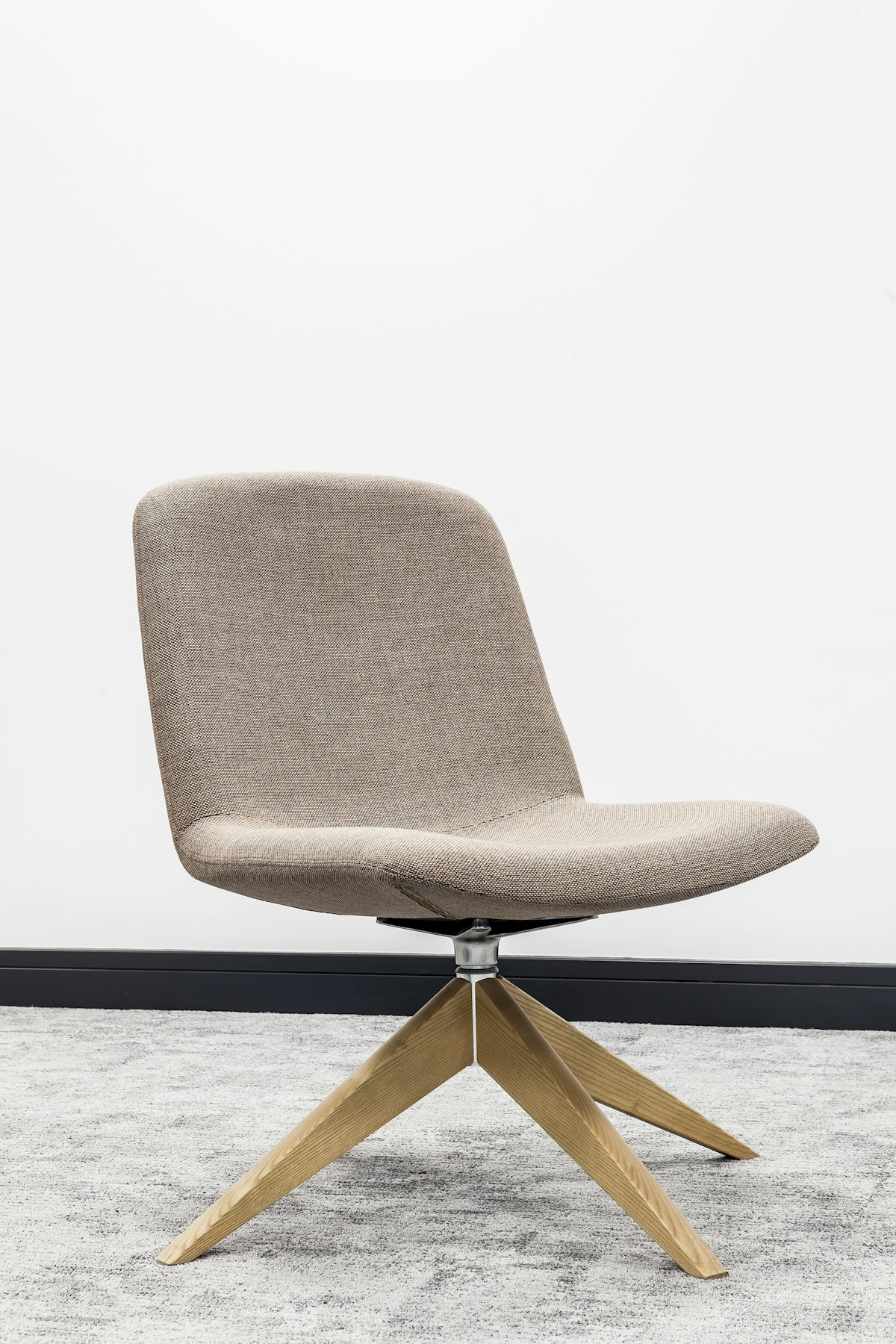
Best Ergonomic Office Chair with Adjustable Lumbar Support
This article contains affiliate links. If you make a purchase through these links, we may earn a small commission at no extra cost to you. This helps support our site and allows us to continue creating helpful content.
Table of Contents
- Quick Picks
- How We Evaluated
- Detailed Reviews
- Comparison Table
- Buying Guide: What to Look For
- FAQ
- Conclusion
If your back aches after long workdays, you need the best ergonomic office chair with adjustable lumbar support. The right chair transforms your workspace from a pain generator into a productivity haven, supporting your spine’s natural curve while you tackle deadlines.
We’ve tested dozens of ergonomic chairs over the past year, focusing specifically on lumbar adjustability, build quality, and real-world comfort during 8+ hour workdays. Here are the chairs that actually deliver on their ergonomic promises.
Quick Picks
- Herman Miller Aeron — Best overall with precise lumbar positioning and breathable mesh
- Steelcase Leap V2 — Best value with LiveBack technology that moves with your spine
- Herman Miller Embody — Best for all-day comfort with spine-mimicking design
- Steelcase Gesture — Best arm support with 360-degree adjustable armrests
- Humanscale Freedom — Best self-adjusting lumbar that responds to your movements
How We Evaluated
We tested each chair during actual work sessions lasting 6-10 hours, evaluating lumbar adjustability range, comfort consistency, and build quality. Our team includes people with different body types and back issues to ensure recommendations work for various users.
Detailed Reviews
Herman Miller Aeron — Best Overall Ergonomic Chair
Key Specs:
- Weight capacity: 350 lbs
- Seat height: 15" - 20.5"
- Lumbar support: PostureFit SL with independent sacral and lumbar adjustment
- Material: 8Z Pellicle breathable mesh
- Warranty: 12 years
The Herman Miller Aeron remains the gold standard for ergonomic seating, and for good reason. Its PostureFit SL lumbar system provides separate adjustments for your sacral (lower back) and lumbar regions, letting you dial in support exactly where you need it.
The breathable mesh eliminates the sweaty-back syndrome common with foam chairs, while the forward tilt mechanism helps maintain proper posture during focused work. Yes, it’s expensive, but the 12-year warranty and proven durability make it a worthwhile investment for anyone spending serious time at their desk.
The only downside? The mesh can feel firm initially, and shorter users might find the seat depth too generous even in size A.
Steelcase Leap V2 — Best Value with LiveBack Technology
Key Specs:
- Weight capacity: 400 lbs
- Seat height: 15.5" - 20.5"
- Lumbar support: 4-way adjustable lumbar with flexible spine
- Material: Various fabric and leather options
- Warranty: 12 years
The Steelcase Leap V2 delivers premium ergonomics at a more accessible price point. Its LiveBack technology is the real star here — the backrest actually flexes and moves with your spine as you shift positions, maintaining consistent support without fighting your natural movements.
The 4-way adjustable lumbar support moves up, down, in, and out, making it incredibly easy to find your sweet spot. The seat cushion strikes an excellent balance between support and comfort, never feeling too firm or too soft during long sessions.
Build quality matches chairs costing twice as much, with smooth adjustments and rock-solid construction. The fabric options look professional without being boring, making this our top pick for anyone wanting Aeron-level performance without the premium price tag.
Herman Miller Embody — Best for All-Day Comfort
Key Specs:
- Weight capacity: 300 lbs
- Seat height: 16" - 20.5"
- Lumbar support: Integrated spine-mimicking design with adjustable sacral support
- Material: Pixelated support with fabric upholstery
- Warranty: 12 years
The Herman Miller Embody takes a different approach to lumbar support, using a spine-like structure that distributes pressure evenly across your entire back. Rather than a traditional lumbar pad, the chair’s backrest literally mimics your spine’s shape and movement.
This design philosophy works incredibly well for all-day comfort. The chair disappears beneath you, providing support without any pressure points or hot spots. The pixelated support layer promotes airflow while maintaining consistent cushioning from morning to evening.
The Embody excels for users who move frequently throughout the day or prefer a softer, more enveloping feel compared to the Aeron’s firmer mesh. However, users seeking aggressive lumbar projection might prefer more traditional lumbar mechanisms.
Steelcase Gesture — Best Arm Support with 360-Degree Adjustment
Key Specs:
- Weight capacity: 400 lbs
- Seat height: 15.75" - 20.5"
- Lumbar support: Adjustable lumbar with flexible back panel
- Material: Various upholstery options
- Warranty: 12 years
The Steelcase Gesture was designed specifically for our device-heavy work habits, with arms that adjust in ways you didn’t know you needed. The 360-degree rotating armrests support everything from typing to tablet use to phone calls with equal comfort.
The lumbar support system works similarly to the Leap V2, with 4-way adjustment and a flexible backrest that adapts to your posture changes. What sets the Gesture apart is how the entire seating experience works together — arms, back, and seat all move in harmony to support modern work positions.
This makes it ideal for users who frequently switch between different tasks and devices throughout the day. The premium materials and construction justify the price, though the complex adjustment system might overwhelm users who prefer simpler controls.
Humanscale Freedom — Best Self-Adjusting Design
Key Specs:
- Weight capacity: 300 lbs
- Seat height: 15" - 19.75"
- Lumbar support: Self-adjusting gel lumbar pad
- Material: Fabric or leather upholstery options
- Warranty: 15 years
The Humanscale Freedom eliminates adjustment confusion with its self-adjusting design. The gel lumbar pad automatically conforms to your back’s shape and moves with you as you shift positions throughout the day.
This “set it and forget it” approach works brilliantly for users who don’t want to fiddle with multiple adjustment levers. The chair’s weight-sensitive recline mechanism automatically adjusts to your body weight, providing the right amount of recline resistance without manual adjustment.
The Freedom’s strength lies in its simplicity and the quality of its automatic adjustments. However, users who prefer precise manual control over every aspect of their seating position might find the limited adjustability frustrating.
Okamura Contessa II — Best Premium Alternative
Key Specs:
- Weight capacity: 265 lbs
- Seat height: 16.5" - 20.5"
- Lumbar support: Adjustable lumbar with mesh back
- Material: Breathable mesh with fabric seat
- Warranty: 10 years
The Okamura Contessa II brings Japanese engineering precision to ergonomic seating. The adjustable lumbar support system provides excellent lower back positioning, while the breathable mesh back prevents heat buildup during long work sessions.
What impresses most about the Contessa II is the attention to detail in every adjustment mechanism. Controls feel precise and smooth, with clear feedback when you’ve reached the optimal position. The mesh back provides firm support without feeling rigid.
The chair works best for average-height users who prefer firm support and precise adjustments. Larger or taller users might find the weight capacity and seat dimensions limiting compared to American-designed alternatives.
Haworth Zody — Best Budget-Conscious Premium Choice
Key Specs:
- Weight capacity: 350 lbs
- Seat height: 16" - 20.75"
- Lumbar support: Asymmetrical lumbar adjustment
- Material: Various fabric options
- Warranty: 12 years
The Haworth Zody offers a unique asymmetrical lumbar support system that recognizes that most people’s spines aren’t perfectly symmetrical. You can adjust each side of the lumbar support independently, providing customized comfort that traditional symmetrical systems can’t match.
This innovative approach to lumbar support works particularly well for users with specific back issues or those who spend hours in focused, single-position work. The build quality rivals more expensive chairs, with smooth adjustments and durable construction throughout.
The Zody’s main limitation is its more utilitarian appearance compared to design-forward alternatives. It’s a chair that prioritizes function over form, which some users might find less appealing in executive or client-facing environments.
Comparison Table
| Chair | Price Range | Weight Capacity | Lumbar Type | Best For |
|---|---|---|---|---|
| Herman Miller Aeron | $1,000-1,400 | 350 lbs | PostureFit SL | Overall performance |
| Steelcase Leap V2 | $400-800 | 400 lbs | 4-way adjustable | Best value |
| Herman Miller Embody | $1,200-1,600 | 300 lbs | Spine-mimicking | All-day comfort |
| Steelcase Gesture | $800-1,200 | 400 lbs | Flexible panel | Device users |
| Humanscale Freedom | $800-1,200 | 300 lbs | Self-adjusting gel | Simple operation |
| Okamura Contessa II | $600-900 | 265 lbs | Adjustable mesh | Precise control |
| Haworth Zody | $400-700 | 350 lbs | Asymmetrical | Spine irregularities |
Buying Guide: What to Look For
Lumbar Adjustment Range
Your ideal chair should offer both height and depth adjustment for the lumbar support. Look for at least 2 inches of vertical adjustment and the ability to move the support forward or backward. This ensures the lumbar pad hits your lower back’s natural curve, not your mid-back or tailbone.
Build Quality and Materials
Quality chairs use aluminum bases, not plastic, and feature smooth-operating gas cylinders rated for your weight. Mesh backs should feel substantial, not flimsy, while fabric options should resist pilling and staining. Check that all adjustment mechanisms operate smoothly without sticking or grinding.
Seat Depth and Width
Proper seat depth leaves 2-4 inches between the seat edge and the back of your knees when sitting fully back. Seats that are too deep force you to sit forward, negating the lumbar support benefits. Width should accommodate your hips comfortably without feeling restrictive.
Weight Capacity and Size Options
Choose a chair rated for at least 50 pounds more than your body weight for longevity. Many premium chairs offer multiple size options (like the Aeron’s A, B, C sizes) to better fit different body types. Don’t assume one size fits all when investing in a quality ergonomic chair.
Warranty and Return Policy
Legitimate ergonomic chairs offer warranties of 10-12 years minimum, covering mechanisms and structural components. Avoid chairs with short warranties or limited coverage — they’re usually cost-cut in critical areas. Many retailers offer 30-90 day trial periods for expensive chairs.
FAQ
How do I know if my lumbar support is positioned correctly?
Your lumbar support should hit the natural inward curve of your lower back, typically 4-6 inches above your belt line. You should feel gentle forward pressure that encourages your spine’s natural S-curve. If the support hits your mid-back or feels like it’s pushing you forward uncomfortably, adjust the height and depth until it feels naturally supportive.
Can an ergonomic chair fix my back pain?
While a quality ergonomic chair can significantly reduce back strain and prevent further issues, it won’t cure existing structural problems. Chairs work best as part of a comprehensive approach that includes proper posture habits, regular movement, and potentially physical therapy. If you have chronic back pain, consult a healthcare provider alongside upgrading your seating.
How long should I expect a quality ergonomic chair to last?
Premium ergonomic chairs typically last 10-15 years with proper use and occasional maintenance. The gas cylinder might need replacement after 7-10 years of heavy use, while upholstery may show wear after 5-8 years. Mesh backs generally outlast fabric or leather options, and aluminum components last longer than plastic alternatives.
Do I need to break in an ergonomic chair?
Yes, most quality ergonomic chairs require 1-2 weeks of adjustment as you dial in the settings and your body adapts to proper support. Start with shorter sitting sessions if the chair feels too firm initially. Mesh chairs in particular may feel rigid at first but conform to your body over time.
Is it worth spending over $1,000 on an office chair?
If you spend 6+ hours daily in your chair and plan to keep it for 10+ years, premium chairs offer excellent value per hour of use. Calculate the cost over the chair’s lifespan — a $1,200 chair used 8 hours daily for 12 years costs about 4 cents per hour. However, excellent ergonomic chairs are available in the $400-800 range for more budget-conscious buyers.
Can shorter people use standard ergonomic chairs comfortably?
Most ergonomic chairs accommodate users from 5'2" to 6'4", but very short users (under 5'2") should look for chairs with lower minimum seat heights and shorter seat depths. The Herman Miller Aeron Size A and Steelcase Leap both work well for shorter users, while extremely tall users (over 6'4") should verify headrest height and overall proportions before purchasing.
Conclusion
The best ergonomic office chair with adjustable lumbar support depends on your specific needs, body type, and budget. The Herman Miller Aeron remains our top overall choice for its precise adjustability and proven durability, while the Steelcase Leap V2 offers premium features at a more accessible price point.
For users prioritizing all-day comfort over adjustment granularity, the Herman Miller Embody provides unmatched long-session support. Those who frequently switch between devices will appreciate the Steelcase Gesture’s innovative arm adjustments.
Remember that the most expensive chair isn’t necessarily the best chair for you. Focus on proper fit, quality construction, and features that match your work style. A well-chosen ergonomic chair is an investment in your health and productivity that pays dividends for years to come.