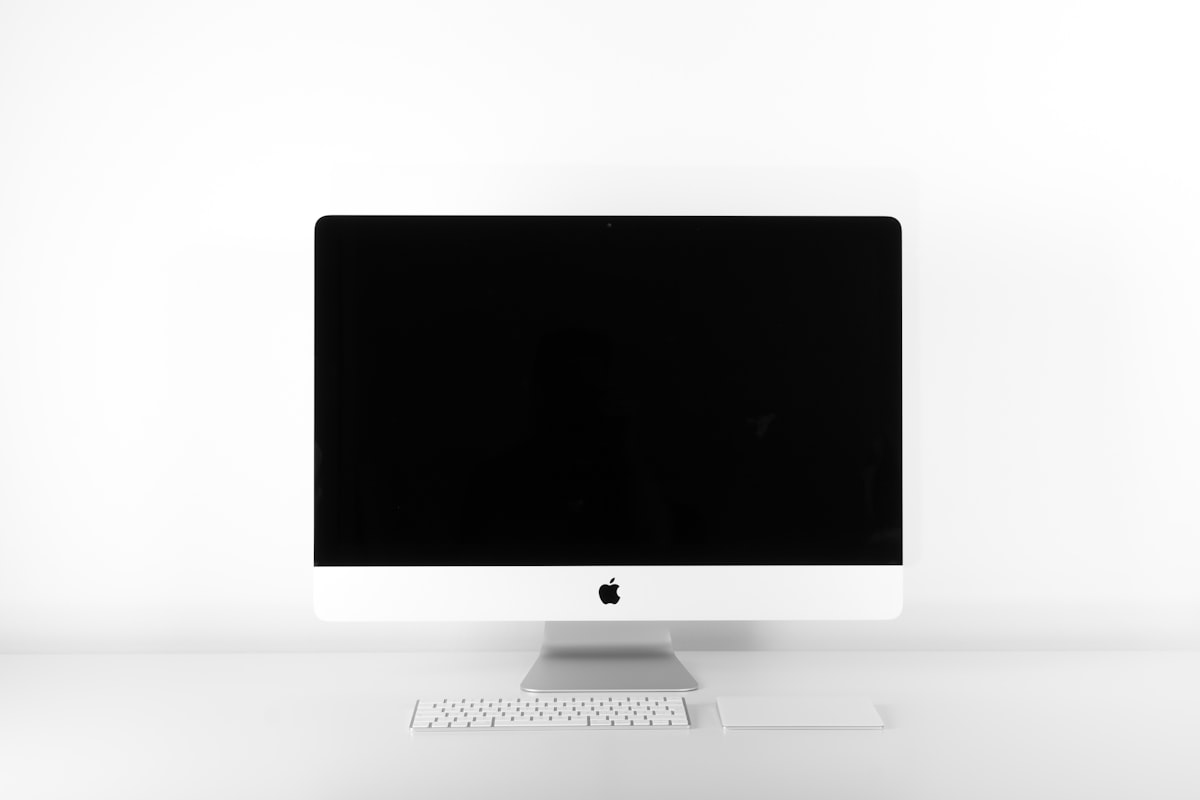
Best Monitor to Buy for Office Work in 2024 - Top Picks
This article contains affiliate links. If you make a purchase through these links, we may earn a small commission at no extra cost to you. This helps support our site and allows us to continue creating helpful content.
Table of Contents
- Quick Picks: Best Office Monitors
- How We Evaluated These Monitors
- Detailed Reviews
- Monitor Comparison Table
- Buying Guide: What to Look for in an Office Monitor
- Frequently Asked Questions
- Conclusion
Choosing the right monitor can transform your office work experience from eye-straining marathon sessions to comfortable, productive days. After testing dozens of displays across different price points and use cases, we’ve identified the best monitors to buy for office work that deliver exceptional clarity, comfort, and value.
Quick Picks: Best Office Monitors
- Best Overall: Dell UltraSharp U2723QE — 27-inch 4K with USB-C hub and excellent color accuracy
- Best Budget: ASUS VA24EHE — 24-inch 1080p IPS panel under $100 with solid ergonomics
- Best for Dual Setup: LG 27UP550-W — Affordable 27-inch 4K with thin bezels perfect for multi-monitor setups
- Best Ultrawide: Dell U3423WE — 34-inch curved ultrawide with built-in KVM switch
- Best Premium: Apple Studio Display — 27-inch 5K Retina with premium build quality and seamless Mac integration
How We Evaluated These Monitors
Our testing focused on the factors that matter most for office productivity: text clarity, eye comfort during long work sessions, connectivity options, and ergonomic adjustability. We spent weeks using each monitor for typical office tasks like document editing, spreadsheet work, video calls, and email management.
Detailed Reviews
Dell UltraSharp U2723QE — Best Overall Office Monitor
Key Specs:
- 27-inch 4K (3840 x 2160) IPS panel
- 60Hz refresh rate
- USB-C with 90W power delivery
- Built-in USB hub with 4 downstream ports
- Height, tilt, swivel, and pivot adjustable stand
- 99% sRGB color coverage
The Dell UltraSharp U2723QE strikes the perfect balance between features, performance, and price for office workers. The 4K resolution provides incredibly sharp text that reduces eye strain during long document sessions, while the IPS panel delivers accurate colors for presentations and creative work.
What sets this monitor apart is its connectivity. The USB-C port can charge most laptops while transmitting video, meaning you can connect and power your laptop with a single cable. The built-in USB hub eliminates the need for separate dongles, keeping your desk clean and organized.
The stand adjustability is comprehensive, allowing you to find the perfect viewing angle whether you’re sitting or standing. At $400-500, it’s an investment that pays dividends in comfort and productivity over years of use.
ASUS VA24EHE — Best Budget Office Monitor
Key Specs:
- 24-inch 1080p (1920 x 1080) IPS panel
- 75Hz refresh rate
- HDMI and VGA inputs
- Flicker-free technology and blue light filter
- Tilt-adjustable stand
- Typically under $100
Don’t let the budget price fool you — the ASUS VA24EHE delivers surprisingly good performance for basic office work. The IPS panel provides better viewing angles than typical budget TN panels, making it suitable for collaborative work where others might view your screen from the side.
The 24-inch size hits the sweet spot for most desk setups without overwhelming smaller workspaces. Text appears crisp at standard viewing distances, though you won’t get the pixel density benefits of higher resolution displays. The flicker-free backlight and blue light filter help reduce eye fatigue during extended use.
While the stand only tilts (no height adjustment), the monitor works well with affordable monitor arms if you need more flexibility. For users on tight budgets or setting up secondary workstations, this monitor provides solid value without major compromises.
LG 27UP550-W — Best for Dual Monitor Setups
Key Specs:
- 27-inch 4K (3840 x 2160) IPS panel
- 60Hz refresh rate
- HDR10 support
- USB-C with 60W power delivery
- Thin bezels (7mm on three sides)
- Height and tilt adjustable stand
The LG 27UP550-W excels in multi-monitor configurations thanks to its minimal bezels that create an almost seamless appearance when placed side by side. The 4K resolution provides ample screen real estate, letting you comfortably view multiple documents or applications simultaneously.
This monitor offers excellent value in the 4K category, typically priced $100-150 less than premium alternatives while delivering comparable image quality. The USB-C connectivity with 60W power delivery handles most laptops, though power-hungry gaming laptops might need additional charging.
The color accuracy is impressive for the price point, making it suitable for light photo editing or design work alongside general office tasks. HDR10 support adds punch to multimedia content during breaks, though the peak brightness isn’t high enough for true HDR impact.
Dell U3423WE — Best Ultrawide Office Monitor
Key Specs:
- 34-inch ultrawide 3440 x 1440 curved panel
- 60Hz refresh rate
- Built-in KVM switch
- USB-C with 90W power delivery
- Extensive connectivity (HDMI, DisplayPort, Ethernet)
- Fully adjustable stand with pivot capability
For users who want maximum screen real estate, the Dell U3423WE transforms how you work. The ultrawide format eliminates the need for dual monitors while providing equivalent screen space in a single, seamless display. The 1800R curve feels natural and helps reduce neck movement when scanning across the wide display.
The built-in KVM switch is a standout feature for users managing multiple computers. You can connect both a work laptop and personal desktop, switching between them with keyboard shortcuts while sharing the same keyboard, mouse, and monitor. This makes it perfect for hybrid work setups.
The stand quality matches the premium price, offering full adjustability including portrait mode (though few would use a 34-inch monitor vertically). At around $800-900, it’s expensive but eliminates the cost and desk space requirements of a dual-monitor setup.
Apple Studio Display — Best Premium Option
Key Specs:
- 27-inch 5K (5120 x 2880) Retina display
- P3 wide color gamut with True Tone
- Built-in 12MP ultra-wide camera with Center Stage
- Six-speaker sound system with spatial audio
- Single Thunderbolt 3 connection
- Aluminum stand (tilt-only in standard version)
The Apple Studio Display represents the premium end of office monitors, delivering unmatched text clarity thanks to its 5K resolution. If you work primarily with text or detailed graphics, the pixel density makes everything incredibly sharp and readable.
The integration with Mac ecosystems is seamless, handling video, audio, and charging through a single Thunderbolt connection. The built-in camera and speakers eliminate the need for separate accessories, creating a clean, minimalist desk setup. The camera’s Center Stage feature automatically keeps you centered during video calls.
However, the $1600+ price tag is hard to justify unless you’re earning income that directly benefits from the premium features. The lack of height adjustment in the standard stand is frustrating at this price point, though Apple offers a tilt and height-adjustable version for an additional cost.
ASUS ProArt Display PA278QV — Best for Color-Critical Work
Key Specs:
- 27-inch 1440p (2560 x 1440) IPS panel
- 75Hz refresh rate
- 100% sRGB and Rec. 709 color coverage
- Factory calibrated with color accuracy report
- USB-C with 65W power delivery
- Extensive connectivity including DisplayPort daisy chaining
- Fully adjustable ergonomic stand
For office workers who occasionally handle color-critical tasks like marketing materials or presentations, the ASUS ProArt Display PA278QV offers professional-grade color accuracy at a reasonable price. Each monitor comes factory calibrated with a color accuracy report, ensuring consistent colors right out of the box.
The 1440p resolution provides a good middle ground between 1080p and 4K, offering improved detail over standard HD while being less demanding on your graphics hardware than 4K. The panel quality is exceptional, with even backlighting and minimal color shift across viewing angles.
The stand is among the best in this price range, offering full adjustability including pivot for portrait orientation. This makes it excellent for reading long documents or coding. The DisplayPort daisy chaining capability allows you to connect multiple monitors in series, simplifying cable management in multi-monitor setups.
Monitor Comparison Table
| Model | Size | Resolution | Panel Type | USB-C | Price Range |
|---|---|---|---|---|---|
| Dell UltraSharp U2723QE | 27" | 4K | IPS | 90W | $400-500 |
| ASUS VA24EHE | 24" | 1080p | IPS | No | $80-100 |
| LG 27UP550-W | 27" | 4K | IPS | 60W | $250-300 |
| Dell U3423WE | 34" | 3440x1440 | IPS Curved | 90W | $800-900 |
| Apple Studio Display | 27" | 5K | Retina | Yes | $1600+ |
| ASUS ProArt PA278QV | 27" | 1440p | IPS | 65W | $350-400 |
Buying Guide: What to Look for in an Office Monitor
Screen Size and Resolution
The sweet spot for most office work is 24-27 inches with either 1440p or 4K resolution. Larger screens provide more workspace but require more desk space and can strain your neck if positioned too close. Higher resolutions make text sharper and reduce eye strain, but ensure your computer can drive the display comfortably.
Panel Technology
IPS panels offer the best balance of color accuracy, viewing angles, and response times for office use. They cost slightly more than TN panels but provide significantly better image quality. Avoid VA panels for office work as they can suffer from text clarity issues.
Connectivity and USB-C
Modern office monitors should include USB-C connectivity with power delivery. This allows single-cable connection to laptops, reducing desk clutter and eliminating the need for separate chargers. Look for at least 60W power delivery for most laptops, or 90W+ for power-hungry models.
Ergonomics
A fully adjustable stand (height, tilt, swivel, pivot) is crucial for long-term comfort. Poor monitor positioning leads to neck strain and reduced productivity. If a monitor lacks adjustment options, factor in the cost of a quality monitor arm.
Eye Comfort Features
Look for flicker-free backlights and blue light filters to reduce eye strain during extended use. These features are especially important if you work long hours or in dim lighting conditions.
Frequently Asked Questions
What’s the best monitor size for office work?
27 inches is the optimal size for most office setups, providing ample screen real estate without overwhelming your desk or requiring excessive head movement. 24-inch monitors work well for smaller desks or secondary displays, while 32+ inch monitors are better suited for specialized tasks or users with larger workspaces.
Do I need 4K resolution for office work?
While not strictly necessary, 4K resolution significantly improves text clarity and reduces eye strain during long work sessions. The difference is particularly noticeable when reading small text or working with detailed spreadsheets. However, 1440p offers a good middle ground with improved clarity over 1080p at a lower cost.
Should I choose one large monitor or dual monitors?
This depends on your workflow and desk space. Dual monitors excel for multitasking between different applications, while a single large or ultrawide monitor provides seamless window management without bezels interrupting your view. Consider your primary tasks and available desk space when deciding.
How important is USB-C connectivity?
USB-C with power delivery is extremely valuable for laptop users, enabling single-cable connections that charge your laptop while transmitting video and data. This reduces desk clutter and simplifies your setup. If you primarily use a desktop computer, USB-C is less critical but still convenient for connecting mobile devices.
What refresh rate do I need for office work?
60Hz is perfectly adequate for typical office tasks like document editing, web browsing, and video calls. Higher refresh rates (75Hz, 144Hz) provide smoother scrolling and cursor movement but aren’t necessary for productivity work. Focus your budget on resolution and panel quality instead.
Can I use a gaming monitor for office work?
Gaming monitors can work for office use, but they often prioritize features like high refresh rates and low input lag over text clarity and color accuracy. Look for gaming monitors with IPS panels and good color coverage if you go this route, but dedicated office monitors typically provide better value for productivity tasks.
Conclusion
The best monitor to buy for office work depends on your specific needs and budget, but the Dell UltraSharp U2723QE offers the best overall combination of features, performance, and value for most users. Its 4K resolution, comprehensive connectivity, and excellent ergonomics make it a worthwhile investment in your daily comfort and productivity.
For budget-conscious buyers, the ASUS VA24EHE proves you don’t need to spend hundreds for a decent office display. Those seeking maximum screen real estate should consider the Dell U3423WE ultrawide, while Mac users will appreciate the premium experience of the Apple Studio Display.
Remember that a good monitor is a long-term investment in your workspace. Prioritize features that matter for your daily tasks — text clarity, eye comfort, and proper ergonomics — over flashy specifications you won’t use. Your eyes and neck will thank you after years of comfortable, productive work.