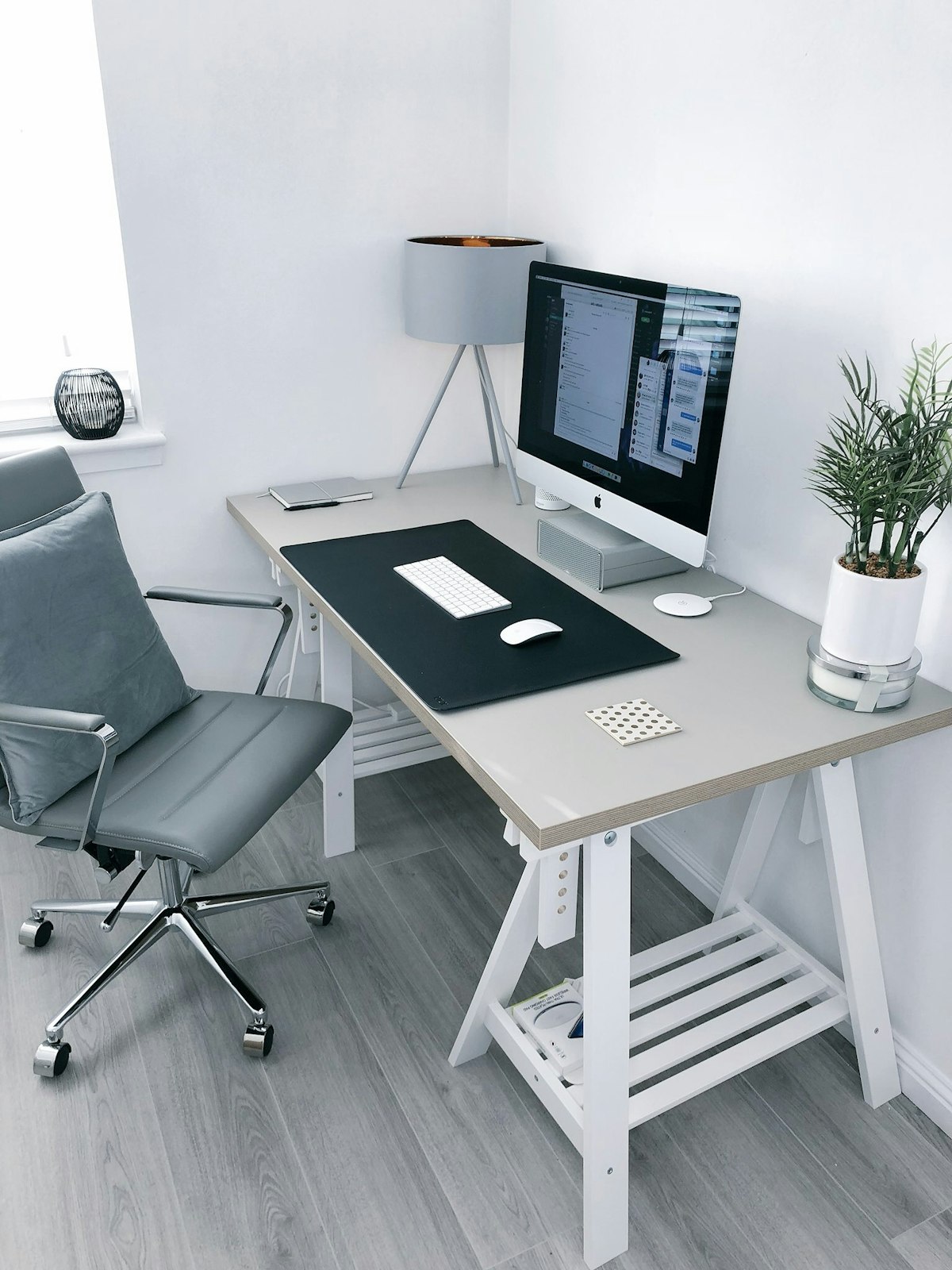
Best Office Chair for Standing Desk: Top 2024 Picks
This article contains affiliate links. If you make a purchase through these links, we may earn a small commission at no extra cost to you. This helps support our site and allows us to continue creating helpful content.
Table of Contents
- Quick Picks: Top Office Chairs for Standing Desks
- How We Evaluated These Chairs
- Detailed Reviews
- Comparison Table
- What to Look for in a Standing Desk Chair
- Frequently Asked Questions
Finding the best office chair for a standing desk requires balancing comfort, adjustability, and space efficiency. Unlike traditional desk setups, standing desk users need chairs that work at multiple heights while supporting both active sitting and quick transitions between sitting and standing positions.
The right chair for your standing desk setup should offer exceptional height adjustment range, compact design that won’t interfere with your desk’s movement, and ergonomic support that keeps you comfortable whether you’re perching briefly or settling in for longer focus sessions.
Quick Picks: Top Office Chairs for Standing Desks
- Herman Miller Sayl — Best overall for sleek design and excellent adjustability
- Steelcase Series 1 — Best budget pick with solid ergonomics and space-saving profile
- Humanscale Diffrient World — Best for automatic adjustment and minimal bulk
- IKEA Markus — Best value option with tall-friendly design
- Focal Upright Mogo — Best active sitting solution for frequent standers
How We Evaluated These Chairs
We tested each chair based on height adjustability range, compact footprint compatibility with standing desks, and ergonomic support across different sitting positions. Our evaluation focused on real-world scenarios: quick sits during calls, longer focused work sessions, and seamless transitions between sitting and standing throughout the workday.
Detailed Reviews
Herman Miller Sayl — Best Overall Design and Performance
Key Specs:
- Seat height range: 15.25" to 20.25"
- Weight capacity: 350 lbs
- Dimensions: 27.25" W x 27" D x 34-39" H
- Warranty: 12 years
The Herman Miller Sayl strikes the perfect balance for standing desk users who want premium ergonomics without overwhelming their workspace. Its distinctive suspension back and sleek profile make it visually compatible with modern standing desks while delivering the adjustability range needed for various sitting positions.
The chair’s 5-inch height adjustment range accommodates both counter-height perching and traditional seated work. The suspension back flexes naturally with your movements, making it comfortable for both brief sits and extended sessions. The armrests adjust independently, crucial when your desk height changes throughout the day.
While the price point is higher than budget options, the build quality and 12-year warranty make it a solid long-term investment for serious standing desk users.
Steelcase Series 1 — Best Budget-Friendly Option
Key Specs:
- Seat height range: 16.5" to 21"
- Weight capacity: 300 lbs
- Dimensions: 25.5" W x 25.5" D x 37-41" H
- Warranty: 10 years
The Steelcase Series 1 proves you don’t need to spend flagship prices to get quality ergonomics with your standing desk. This chair offers a generous 4.5-inch height range and Steelcase’s signature build quality at roughly half the price of their premium models.
The mesh back provides breathability during active sitting sessions, while the contoured seat offers surprising comfort for longer periods. The armrests adjust up and down, though they lack the multi-directional adjustment of pricier models. The compact base design works well in tight spaces around standing desk setups.
The main trade-off is fewer adjustment options compared to premium chairs, but for most users, the Series 1 delivers the essentials exceptionally well at a reasonable price point.
Humanscale Diffrient World — Best for Automatic Adjustment
Key Specs:
- Seat height range: 15.5" to 20.5"
- Weight capacity: 300 lbs
- Dimensions: 26.5" W x 26.5" D x 37-42" H
- Warranty: 15 years
The Humanscale Diffrient World takes a unique approach by automatically adjusting to your body weight and posture. For standing desk users who frequently switch between sitting and standing, this eliminates the need to readjust multiple settings each time you sit down.
The chair’s tri-panel backrest flexes independently to support your spine’s natural curve, while the weight-activated recline automatically provides the right amount of resistance based on your body weight. The armrests are fixed but positioned to work well across the chair’s height range.
This automatic adjustment philosophy works brilliantly for users who want to minimize fiddling with controls, though some may prefer more manual control over their seating position. The distinctive design also makes a strong visual statement in modern office spaces.
IKEA Markus — Best Value for Tall Users
Key Specs:
- Seat height range: 17" to 21.25"
- Weight capacity: 243 lbs
- Dimensions: 24.5" W x 24.5" D x 51-55" H
- Warranty: 10 years
The IKEA Markus offers surprising value for standing desk users, especially those over 6 feet tall. While it lacks some premium features, the high backrest and solid adjustability make it a capable companion for standing desk setups on a tight budget.
The mesh back provides good airflow, and the seat cushion remains comfortable during longer sitting sessions. The chair’s taller profile works particularly well with higher standing desk positions, and the fixed armrests are positioned at a height that accommodates most users across the adjustment range.
The main limitations are the lower weight capacity and fewer adjustment options compared to premium alternatives. However, IKEA’s 10-year warranty and widespread availability make it an attractive option for budget-conscious buyers.
Focal Upright Mogo — Best Active Sitting Solution
Key Specs:
- Seat height range: 24" to 33"
- Weight capacity: 250 lbs
- Dimensions: 13" diameter base, 24" W with armrests
- Warranty: 5 years
The Focal Upright Mogo takes a completely different approach, functioning more as a supported perch than traditional chair. For users who spend most of their time standing but want occasional support, this innovative design bridges the gap between sitting and standing.
The tilted seat encourages an open hip angle that maintains better posture than traditional chairs, while the exceptional height range accommodates even the tallest standing desk positions. The compact footprint takes up minimal space, and the optional armrests provide additional support during longer sitting periods.
This chair works best for users who primarily stand but want comfortable perching options rather than extended sitting. If you’re looking for traditional seated comfort, conventional chairs will serve you better.
Steelcase Think — Best Premium Ergonomics
Key Specs:
- Seat height range: 15.5" to 20.5"
- Weight capacity: 300 lbs
- Dimensions: 25.5" W x 28" D x 38-42" H
- Warranty: 12 years
The Steelcase Think delivers flagship-level ergonomics with features specifically beneficial for standing desk users. The integrated LiveBack technology automatically adjusts the backrest to your spine’s natural curve, while the comprehensive adjustment options let you fine-tune everything for different desk heights.
The chair’s weight-activated mechanism provides smooth transitions between postures, crucial for users who frequently switch between sitting and standing. The armrests offer 4D adjustment, ensuring proper support whether you’re at traditional desk height or counter height.
While expensive, the Think chair’s durability, extensive adjustability, and proven ergonomics make it a worthwhile investment for users who spend significant time at their standing desks and want the ultimate in comfort and support.
Autonomous ErgoChair Pro — Best Feature-Rich Value
Key Specs:
- Seat height range: 17" to 21.5"
- Weight capacity: 300 lbs
- Dimensions: 26.7" W x 26.7" D x 41-45" H
- Warranty: 2 years
The Autonomous ErgoChair Pro packs premium features into a mid-range price point, making advanced ergonomics accessible for standing desk users. The chair offers independent lumbar support, 4D armrests, and a mesh design that complements modern standing desk aesthetics.
The TPE lumbar support moves independently of the backrest, maintaining proper spine alignment across different sitting positions. The seat depth is adjustable, accommodating users of various heights, while the breathable mesh keeps you comfortable during longer work sessions.
The shorter warranty period reflects the newer brand’s market position, but early user reports suggest solid build quality. For users wanting premium features without flagship pricing, this chair delivers impressive value.
Comparison Table
| Chair | Height Range | Weight Capacity | Key Feature | Price Range |
|---|---|---|---|---|
| Herman Miller Sayl | 15.25" - 20.25" | 350 lbs | Suspension back | $$$ |
| Steelcase Series 1 | 16.5" - 21" | 300 lbs | Budget premium | $$ |
| Humanscale Diffrient World | 15.5" - 20.5" | 300 lbs | Auto-adjustment | $$$ |
| IKEA Markus | 17" - 21.25" | 243 lbs | High back, value | $ |
| Focal Upright Mogo | 24" - 33" | 250 lbs | Active sitting | $$ |
| Steelcase Think | 15.5" - 20.5" | 300 lbs | LiveBack tech | $$$$ |
| Autonomous ErgoChair Pro | 17" - 21.5" | 300 lbs | Feature-rich value | $$ |
What to Look for in a Standing Desk Chair
Height Adjustment Range
Your chair needs to accommodate both traditional desk heights (28-30 inches) and standing desk positions (typically 42-48 inches for most users). Look for chairs with at least 4-5 inches of height adjustment, though more is better. The highest position should allow your feet to rest flat on the floor or footrest when your desk is at standing height.
Compact Footprint
Standing desks often have larger bases and moving parts that require clearance. Choose chairs with smaller footprints that won’t interfere with your desk’s height adjustment mechanism or create cramped conditions when the desk is lowered. Chairs with clean lines and minimal bulk also complement the aesthetic of modern standing desk setups.
Quick Adjustability
Since you’ll be changing positions frequently, look for chairs with intuitive, easily accessible controls. Pneumatic height adjustment should be smooth and quick, while other controls should be positioned where you can reach them without excessive bending or stretching. Some chairs offer memory settings that can speed up adjustments.
Armrest Compatibility
Armrests need to work across your desk’s full height range without creating interference. Look for armrests that adjust independently in height and can either tuck under your desk or position appropriately for counter-height work. Fixed armrests can work if they’re positioned well for your primary working height.
Build Quality and Durability
Frequent height changes and position transitions put extra stress on chair mechanisms. Invest in chairs from reputable manufacturers with solid warranties. Look for gas cylinders rated for frequent use and sturdy construction that can handle the additional movement associated with standing desk use.
Frequently Asked Questions
Do I need a special chair for a standing desk?
While not absolutely required, chairs designed with standing desks in mind offer better height ranges, compact profiles, and features that support frequent position changes. Regular office chairs often lack the height adjustment needed for comfortable sitting at standing desk positions and may have bulky bases that interfere with desk mechanisms.
What’s the ideal height for a standing desk chair?
Your chair should adjust high enough that your feet rest flat on the floor (or footrest) when your desk is at its highest comfortable standing position. For most people, this means chairs that reach 20-21 inches at their highest setting, though taller users may need chairs that go higher.
Should I get a tall chair or a regular chair with a footrest?
A chair with sufficient height adjustment is generally better than using a footrest with a regular chair. Proper height positioning maintains better ergonomics and allows your legs to rest naturally. Footrests can work as supplements but shouldn’t be the primary solution for height compatibility.
How often should I switch between sitting and standing?
Ergonomic experts recommend changing positions every 30-60 minutes. The key is avoiding any single position for extended periods. Your chair should make these transitions smooth and comfortable, encouraging regular movement throughout your workday.
Can I use a bar stool with my standing desk?
Bar stools can work for quick perching but lack the ergonomic support needed for extended sitting. Purpose-built office chairs provide better lumbar support, armrests, and adjustability for productive work sessions. If you primarily stand with occasional brief sits, a stool might suffice.
What’s the difference between active sitting chairs and regular chairs?
Active sitting chairs like the Focal Upright Mogo encourage movement and maintain more open hip angles, bridging the gap between sitting and standing. Regular chairs prioritize traditional seated comfort and support. Active sitting options work well for users who stand most of the time but want occasional supported rest.
The best office chair for your standing desk depends on your specific workflow, height requirements, and budget. The Herman Miller Sayl offers the best overall combination of design, adjustability, and build quality, while the Steelcase Series 1 provides excellent value for budget-conscious buyers.
For users who prioritize simplicity, the Humanscale Diffrient World eliminates adjustment complexity with its automatic features. Those on tight budgets will find the IKEA Markus surprisingly capable, especially for taller users.
Remember that the perfect chair should encourage movement between sitting and standing rather than keeping you locked in one position. Choose based on your primary work style, space constraints, and the features that matter most for your daily workflow.