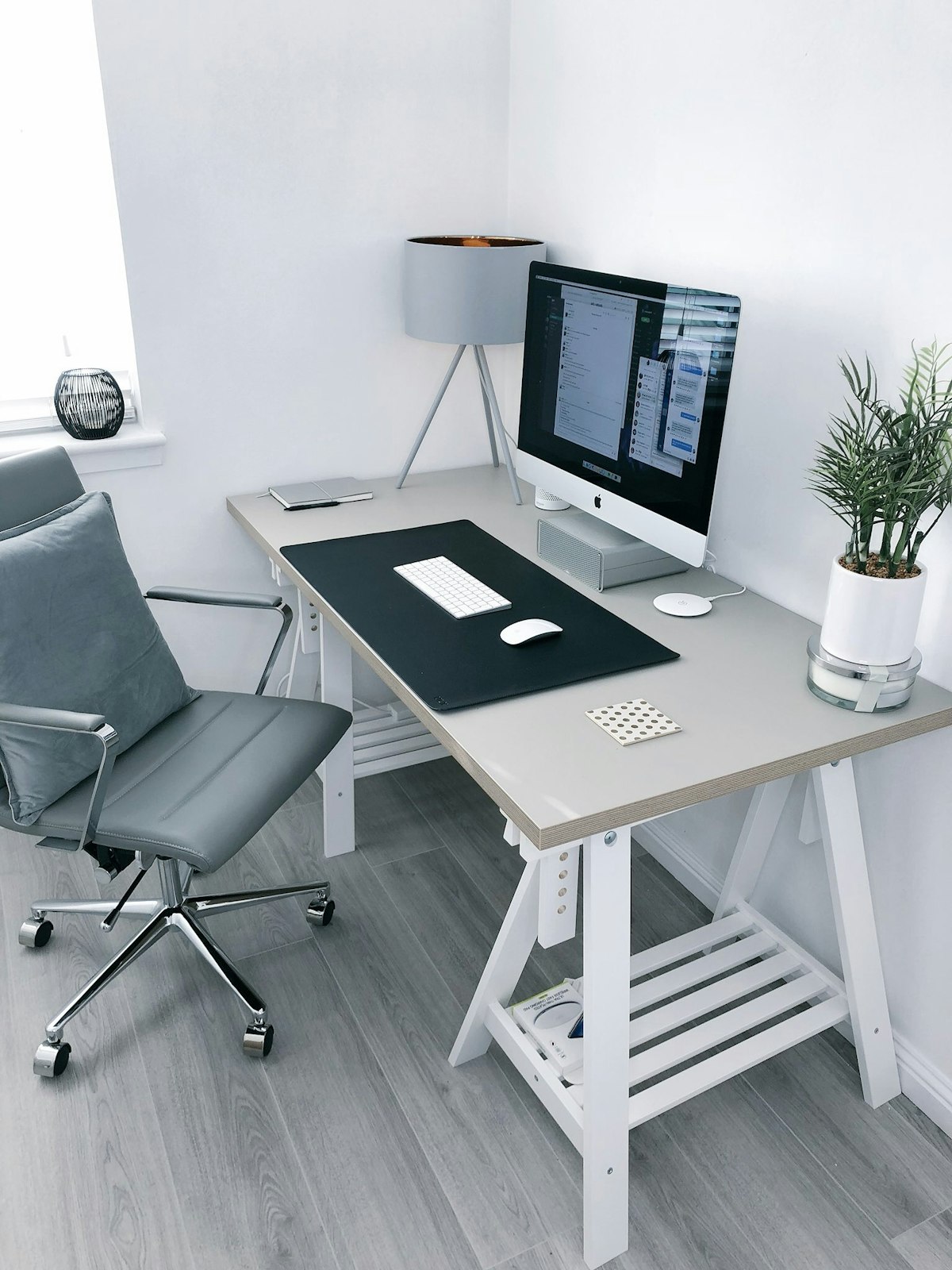
Best Sit Stand Desk Chair: Top Picks for 2024
This article contains affiliate links. If you make a purchase through these links, we may earn a small commission at no extra cost to you. This helps support our site and allows us to continue creating helpful content.
Table of Contents
- Quick Picks: Our Top Sit Stand Desk Chair Recommendations
- How We Evaluated These Sit Stand Desk Chairs
- Detailed Reviews
- Comparison Table
- What to Look For in a Sit Stand Desk Chair
- Frequently Asked Questions
- Conclusion
Quick Picks: Our Top Sit Stand Desk Chair Recommendations
Herman Miller Sayl — Best overall balance of comfort and adjustability for most users
Steelcase Series 1 — Best budget option that doesn’t sacrifice essential ergonomic features
Humanscale Diffrient World — Best for users who want minimal adjustment complexity
Haworth Very — Best for taller users with its extended height range
IKEA Markus — Best ultra-budget pick for basic sit-stand support
How We Evaluated These Sit Stand Desk Chairs
We tested each chair across multiple height settings to simulate real sit-stand desk usage, focusing on seat height range, lumbar support consistency, and ease of adjustment. Our evaluation prioritized chairs that maintain ergonomic positioning whether your desk is at 28 inches or 48 inches high.
Detailed Reviews
Herman Miller Sayl — Best Overall Sit Stand Desk Chair
Key Specs:
- Seat height range: 15.5" to 20.5"
- Weight capacity: 350 lbs
- Materials: Polymer back, fabric seat options
- Warranty: 12 years
The Herman Miller Sayl strikes the perfect balance for sit-stand desk users who need a chair that adapts quickly to different working heights. Its 5-inch seat height adjustment range covers most sit-stand scenarios without requiring constant readjustment of other settings.
The polymer suspension back flexes naturally with your movement, providing consistent support whether you’re leaning back during calls or hunched forward reviewing documents. Unlike rigid mesh chairs, the Sayl’s back doesn’t create pressure points when you shift positions frequently throughout the day.
The main drawback is the limited lumbar adjustment — it’s fixed at one height. This works for average-height users but may not align properly for very tall or short individuals. The armrests also lack width adjustment, which can be problematic if you frequently move between different desk setups.
Steelcase Series 1 — Best Budget Sit Stand Option
Key Specs:
- Seat height range: 16.1" to 20.7"
- Weight capacity: 300 lbs
- Materials: Polymer back with fabric upholstery
- Warranty: 12 years
The Steelcase Series 1 delivers surprisingly robust ergonomic features at a fraction of Herman Miller pricing. The seat height range accommodates most sit-stand desk configurations, and the back provides adequate support for users up to 6'2".
What sets this chair apart in its price range is the LiveBack technology that automatically adjusts to your spine’s movement. You won’t need to fiddle with lumbar controls when switching between sitting positions throughout the day. The armrests adjust in four directions, making it easy to find comfortable positioning at various desk heights.
The trade-offs are noticeable in material quality — the fabric shows wear faster than premium alternatives, and the plastic components feel less substantial. However, for users who want legitimate ergonomic support without spending $800+, the Series 1 delivers excellent value.
Humanscale Diffrient World — Best for Minimal Adjustments
Key Specs:
- Seat height range: 16" to 21"
- Weight capacity: 300 lbs
- Materials: Tri-panel mesh back
- Warranty: 15 years
The Humanscale Diffrient World takes a radically different approach by eliminating most manual adjustments. The chair automatically adapts to your body weight and posture, making it ideal for sit-stand users who don’t want to constantly tinker with settings.
The tri-panel mesh back provides targeted support for different spine regions without requiring lumbar adjustments. As you shift from upright sitting to relaxed leaning, the chair’s recline mechanism responds naturally to your movement. This automation is particularly valuable when transitioning between sitting and perching positions throughout the day.
The fixed armrests won’t suit everyone, and heavier users (over 200 lbs) may find the automatic recline too sensitive. The mesh can also feel less supportive than traditional upholstery for users who prefer firmer back support. But for those who value simplicity over customization, the Diffrient World eliminates decision fatigue.
Haworth Very — Best for Tall Users
Key Specs:
- Seat height range: 15.75" to 21.5"
- Weight capacity: 350 lbs
- Materials: Polymer back, multiple upholstery options
- Warranty: 12 years
The Haworth Very offers the highest maximum seat height in our testing, making it the clear choice for users over 6'2" who need proper leg support at standing desk heights. The extended range also benefits shorter users who prefer higher seating positions.
The chair’s PostureFit technology provides continuous lumbar support that follows your spine’s natural curve. Unlike fixed lumbar pads, this system maintains contact even when you shift between different sitting positions or lean forward to focus on detailed work.
Build quality is excellent, with robust materials that feel substantial without being heavy. The armrests adjust smoothly and lock securely at any height. However, the chair takes up more space than compact alternatives, and the higher price point puts it out of reach for budget-conscious buyers.
IKEA Markus — Best Ultra-Budget Pick
Key Specs:
- Seat height range: 16.5" to 21.25"
- Weight capacity: 243 lbs
- Materials: Mesh back, fabric seat
- Warranty: 10 years
The IKEA Markus won’t win any awards for luxury, but it provides functional sit-stand support at an unbeatable price point. The mesh back offers basic breathability, and the seat height range covers most standard sit-stand scenarios.
Assembly is straightforward, and the chair feels reasonably sturdy for daily use. The fixed lumbar support works adequately for average-height users, though it’s not adjustable for different body types. The armrests provide basic support but don’t adjust beyond height.
Expect compromises in long-term durability and premium features. The mesh stretches over time, the gas cylinder may lose pressure after heavy use, and comfort during extended sitting sessions lags behind higher-end options. But for occasional sit-stand use or budget-conscious buyers, the Markus delivers surprising value.
Knoll Generation — Best for Active Sitting
Key Specs:
- Seat height range: 15.5" to 20.5"
- Weight capacity: 300 lbs
- Materials: Elastomeric back, fabric seat
- Warranty: 12 years
The Knoll Generation encourages movement with its flexible elastomeric back and responsive seat design. The chair’s kinetic structure allows natural body movement while maintaining support, making it ideal for users who fidget or shift positions frequently.
The unique back design flexes in multiple directions, accommodating various sitting postures without losing structural integrity. This flexibility is particularly beneficial for creative professionals who alternate between focused work and collaborative discussions throughout the day.
The trade-off is less traditional lumbar support — some users prefer fixed back structures for extended sitting sessions. The premium materials and design also command a higher price, making it less accessible for budget-conscious buyers.
Comparison Table
| Chair | Seat Height Range | Weight Capacity | Back Material | Warranty | Price Range |
|---|---|---|---|---|---|
| Herman Miller Sayl | 15.5" - 20.5" | 350 lbs | Polymer | 12 years | $$$ |
| Steelcase Series 1 | 16.1" - 20.7" | 300 lbs | Polymer/Fabric | 12 years | $$ |
| Humanscale Diffrient World | 16" - 21" | 300 lbs | Tri-panel Mesh | 15 years | $$$ |
| Haworth Very | 15.75" - 21.5" | 350 lbs | Polymer | 12 years | $$$$ |
| IKEA Markus | 16.5" - 21.25" | 243 lbs | Mesh | 10 years | $ |
| Knoll Generation | 15.5" - 20.5" | 300 lbs | Elastomeric | 12 years | $$$$ |
What to Look For in a Sit Stand Desk Chair
Seat Height Range
Your chair’s minimum height should allow your feet to rest flat on the floor with knees at 90 degrees when your desk is at sitting height (typically 28-30 inches). The maximum height should let you maintain proper posture when your desk is raised to standing height (typically 42-48 inches for most users).
Most quality sit-stand chairs offer 4-6 inches of height adjustment. Measure your current setup before buying to ensure the chair’s range matches your needs.
Quick Adjustment Mechanisms
Look for pneumatic cylinders that adjust smoothly with minimal effort. You’ll be changing heights multiple times daily, so sticky or difficult controls become frustrating quickly. Lever-activated adjustments work better than twist mechanisms for frequent use.
Lumbar Support Flexibility
Fixed lumbar supports work well if they align with your spine naturally. However, adjustable lumbar systems accommodate different sitting postures throughout the day. Consider whether you maintain consistent posture or shift between upright working and relaxed thinking positions.
Armrest Compatibility
Ensure armrests don’t interfere with your desk or keyboard tray at any height setting. Height-adjustable armrests are essential, but width and angle adjustability help fine-tune positioning for different tasks and desk configurations.
Build Quality and Warranty
Sit-stand chairs experience more adjustment cycles than traditional desk chairs. Look for manufacturers offering at least 10-year warranties, which indicates confidence in component durability. Pay attention to weight capacity ratings — they often correlate with overall build quality.
Frequently Asked Questions
Can any office chair work with a sit stand desk?
Most standard office chairs lack sufficient height adjustment range for effective sit-stand use. Traditional chairs typically adjust 4-5 inches, while sit-stand applications often require 6-8 inches of range to maintain proper ergonomics at both sitting and standing desk heights.
How often should I adjust my chair height during the day?
Adjust your chair height whenever you change your desk position. If you alternate between sitting and standing every 30-60 minutes (the recommended pattern), you’ll need to adjust your chair accordingly. Quality chairs make this a 10-second process.
Do I need armrests on a sit stand desk chair?
Armrests provide valuable support during sitting periods and can reduce shoulder strain. However, ensure they don’t interfere with your desk or keyboard tray at any height setting. Adjustable armrests offer the most flexibility for different working positions.
What’s the ideal seat height for a standing desk?
When using your desk in standing mode, set your chair to perching height — typically 26-32 inches depending on your height and desk elevation. This allows you to rest while maintaining an upright posture without fully sitting down.
Are expensive sit stand chairs worth the investment?
Premium chairs typically offer better adjustability, materials, and warranties. If you use a sit-stand setup for 6+ hours daily, the improved comfort and durability often justify higher costs. However, budget options work fine for occasional or light use.
How do I know if my chair height is correct?
At sitting height, your feet should rest flat on the floor with thighs parallel to the ground. Your elbows should be at roughly 90 degrees when typing. At perching height, you should be able to rest comfortably while maintaining good posture without bearing your full weight on the seat.
Conclusion
The Herman Miller Sayl offers the best combination of adjustability, comfort, and build quality for most sit-stand desk users. Its 5-inch height range handles typical sit-stand scenarios, while the flexible polymer back adapts to different postures throughout the day.
Budget-conscious buyers should consider the Steelcase Series 1, which delivers solid ergonomic features without premium pricing. For users seeking maximum simplicity, the Humanscale Diffrient World eliminates adjustment complexity through intelligent automation.
Remember that the best sit stand desk chair depends on your specific height, desk configuration, and usage patterns. Measure your setup carefully and prioritize features that match your daily workflow. With the right chair, transitioning between sitting and standing becomes effortless, helping you maintain better posture and energy throughout the workday.