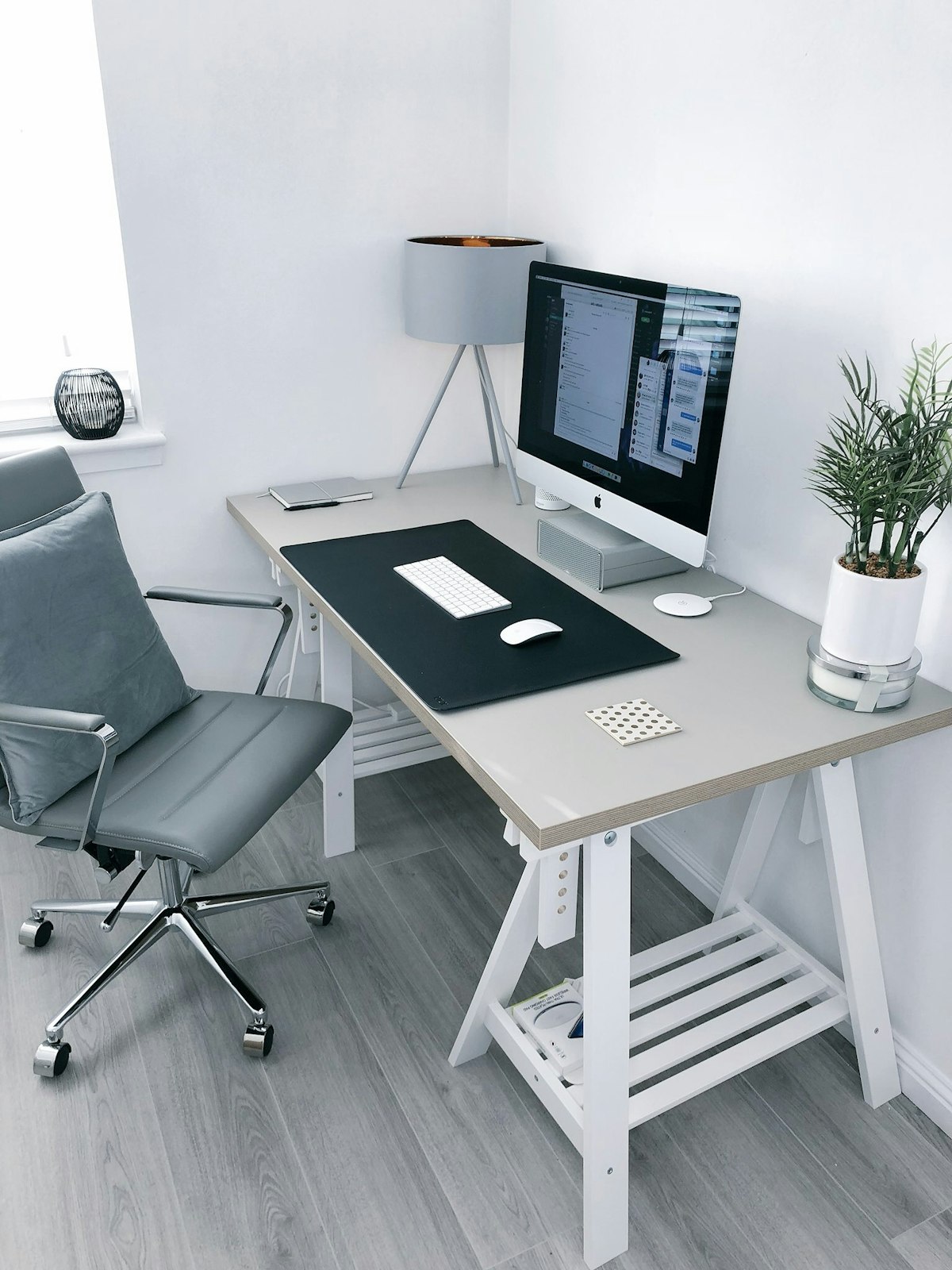
Best Ergonomic Desk Chair Alternatives: Complete Guide
This article contains affiliate links. If you make a purchase through these links, we may earn a small commission at no extra cost to you. This helps support our site and allows us to continue creating helpful content.
Table of Contents
- Key Takeaways
- Breaking Free from Traditional Office Chairs
- Why Consider an Ergonomic Desk Chair Alternative?
- Top Ergonomic Desk Chair Alternatives
- Budget-Friendly Ergonomic Solutions
- Creating the Perfect Ergonomic Workspace
- Transitioning to Alternative Seating
- Common Mistakes to Avoid
- Frequently Asked Questions
- Summary: Your Next Steps
Key Takeaways
• Exercise balls, standing desks, and kneeling chairs offer active sitting alternatives that engage your core and improve posture • Cushions and lumbar supports can transform existing chairs into more ergonomic solutions for under $50 • Standing desk converters and treadmill desks eliminate sitting entirely while maintaining productivity • Alternative seating works best when combined with regular movement breaks and proper desk setup • Start gradually with any ergonomic desk chair alternative to allow your body time to adapt
Breaking Free from Traditional Office Chairs
If you’re spending 8+ hours hunched over a desk, you’ve probably wondered whether there’s something better than that standard office chair. Your back aches, your posture suffers, and you feel stiff by day’s end — sound familiar?
The good news is that ergonomic desk chair alternatives can address these issues while keeping you active throughout the workday. From exercise balls to standing desks, these solutions focus on movement and proper alignment rather than passive sitting.
Why Consider an Ergonomic Desk Chair Alternative?
The Problem with Traditional Office Chairs
Most office chairs encourage passive sitting, where your core muscles essentially shut off. Even “ergonomic” chairs can create dependency, leading to weaker postural muscles over time.
Traditional chairs also promote the same seated position for hours. This static posture compresses your spine, reduces circulation, and can contribute to hip flexor tightness.
Health Benefits of Active Seating
Ergonomic alternatives promote what experts call “active sitting” — engaging your stabilizing muscles while working. This approach can improve core strength, spinal alignment, and overall energy levels.
Research shows that alternating between sitting, standing, and moving throughout the day reduces back pain and increases productivity. Active seating options make this transition natural and automatic.
Top Ergonomic Desk Chair Alternatives
Exercise Ball Chairs
Stability balls force you to engage your core muscles constantly to maintain balance. The gaiam-balance-ball-chair includes a base with wheels, making it practical for office use while maintaining the benefits of ball sitting.
Best for: People with weak core muscles who want to strengthen while working Drawbacks: Can be tiring initially; not suitable for all-day use without breaks
Standing Desk Solutions
Standing Desk Converters
The flexispot-standing-desk-converter transforms any regular desk into a sit-stand workstation. You can alternate between sitting and standing throughout the day, which research shows is optimal for spinal health.
Full Standing Desks
If you’re ready to commit fully, the uplift-v2-standing-desk offers smooth height adjustment and excellent stability. Standing desks eliminate sitting-related issues entirely while burning more calories.
Best for: People with hip flexor tightness or lower back pain from prolonged sitting Drawbacks: Can cause leg fatigue initially; requires anti-fatigue mat
Kneeling Chairs
The sleekform-kneeling-chair positions your hips forward, maintaining the natural curve of your lower back. This design reduces pressure on spinal discs while strengthening your core.
Best for: People with chronic lower back pain or poor posture Drawbacks: Can cause knee discomfort; takes time to build up tolerance
Saddle Chairs
Saddle chairs position you in a hip-open posture similar to horseback riding. The bambach-saddle-seat promotes proper spinal alignment while allowing 360-degree movement.
Best for: Healthcare workers, artists, or anyone needing mobility while seated Drawbacks: Unusual feel initially; may not work with all desk heights
Balance Board Options
Standing Balance Boards
The fluidstance-level-balance-board adds subtle movement to standing desk setups. The gentle rocking motion engages stabilizing muscles and prevents static standing fatigue.
Under-Desk Balance Tools
The gaiam-evolve-balance-board fits under your desk, allowing micro-movements while seated in any chair. It’s an affordable way to add active elements to your existing setup.
Best for: People who want subtle movement without major workspace changes Drawbacks: Benefits are less dramatic than full seating alternatives
Budget-Friendly Ergonomic Solutions
Lumbar Support Cushions
The everlasting-comfort-lumbar-pillow transforms any chair into a more supportive seat. Memory foam construction provides targeted lower back support for under $30.
Seat Cushions
Memory foam or gel cushions like the purple-seat-cushion can reduce pressure points and improve comfort in existing chairs. They’re portable and work with any seating surface.
Posture Reminder Tools
The upright-go-posture-trainer vibrates gently when you slouch, training better posture habits over time. It works with any seating arrangement and builds long-term awareness.
DIY Standing Desk
Stack books or boxes to create a temporary standing workspace. While not adjustable, this free option lets you test standing work before investing in equipment.
Creating the Perfect Ergonomic Workspace
Monitor Positioning
Regardless of your seating choice, your monitor should be at eye level to prevent neck strain. The amazon-basics-monitor-arm provides easy height and angle adjustment.
Keyboard and Mouse Placement
Your keyboard should be at elbow height with your shoulders relaxed. A 3m-keyboard-tray ensures proper positioning with any desk setup.
Footrest Considerations
When sitting actively or standing, proper foot support matters. The humanscale-foot-machine encourages leg movement while providing stable support.
Movement Integration
Set hourly reminders to change positions or take brief walks. The best ergonomic setup includes regular movement breaks, regardless of your seating choice.
Transitioning to Alternative Seating
Start Gradually
Begin with 30-60 minute sessions on your new seating alternative. Your muscles need time to adapt to active sitting or standing.
Listen to Your Body
Some discomfort is normal as your body adjusts, but sharp pain indicates you’re pushing too hard. Gradually increase usage as strength and endurance improve.
Combine Multiple Options
The healthiest approach alternates between different positions throughout the day. Use a stability ball for part of the morning, stand after lunch, and return to traditional seating when needed.
Maintain Proper Ergonomics
Active seating doesn’t eliminate the need for proper desk setup. Ensure your screen, keyboard, and mouse are positioned correctly regardless of your seating choice.
Common Mistakes to Avoid
Going all-in immediately: Switching to a stability ball or standing desk for 8 hours straight on day one will leave you exhausted and sore. Your body needs 2-3 weeks to adapt to new movement patterns.
Ignoring desk height: Many alternatives require different desk heights than traditional chairs. A kneeling chair might be too low for your current desk, creating neck and shoulder strain.
Forgetting about flooring: Standing on hard surfaces without an anti-fatigue mat causes leg and foot pain. Balance boards also need stable, non-slip surfaces to function safely.
Choosing style over function: That trendy exercise ball might look great, but if it’s the wrong size for your height or lacks proper support features, it won’t provide ergonomic benefits.
Frequently Asked Questions
How long does it take to get used to an ergonomic chair alternative?
Most people adapt to new seating within 2-3 weeks of gradual use. Start with 30-minute sessions and increase by 15-30 minutes daily. Your core muscles and balance will improve over time, making the transition more comfortable.
Can I use a stability ball as my only office chair?
While possible, it’s not recommended for full 8-hour workdays initially. Stability balls are best used for 2-4 hour periods, alternating with other seating options. Some people do transition to full-time ball sitting after several months of conditioning.
Are standing desks bad for people with back problems?
Standing desks can actually help many back issues, particularly those caused by prolonged sitting. However, people with certain conditions like varicose veins or foot problems should consult their doctor first. Start with 15-30 minute standing sessions.
What’s the best ergonomic alternative for someone on a tight budget?
A lumbar support cushion ($20-40) or balance board ($30-50) provides ergonomic benefits without major investment. You can also try the “book stack” standing desk method to test whether standing work appeals to you before buying equipment.
Do kneeling chairs cause knee problems?
Properly designed kneeling chairs distribute weight between your shins and buttocks, not your kneecaps. However, people with existing knee injuries should avoid them. The key is gradual introduction and ensuring the chair fits your body proportions.
How do I know if an alternative seating option is working?
Positive signs include reduced back stiffness, improved energy levels, and better posture awareness throughout the day. You should feel more engaged and less sluggish. If you experience persistent pain or extreme fatigue, reassess your setup or usage duration.
Summary: Your Next Steps
The best ergonomic desk chair alternative depends on your specific needs, budget, and work style. If you’re dealing with lower back pain, start with a lumbar support cushion or kneeling chair. For overall fitness and engagement, try an exercise ball or standing desk converter.
Begin your transition gradually — even 30 minutes daily of active seating provides benefits. Pay attention to your body’s response and adjust accordingly. Remember that the healthiest approach combines multiple positions throughout your workday.
Consider your workspace requirements too. A stability ball might work perfectly at home but be impractical in a corporate environment. Choose solutions that fit your actual daily routine, not just your ideal one.
Start with one alternative that appeals most to you, use it consistently for a few weeks, then consider adding other options. The goal isn’t to eliminate sitting entirely but to reduce prolonged static postures that cause pain and stiffness. Your back, posture, and energy levels will thank you for making the change.