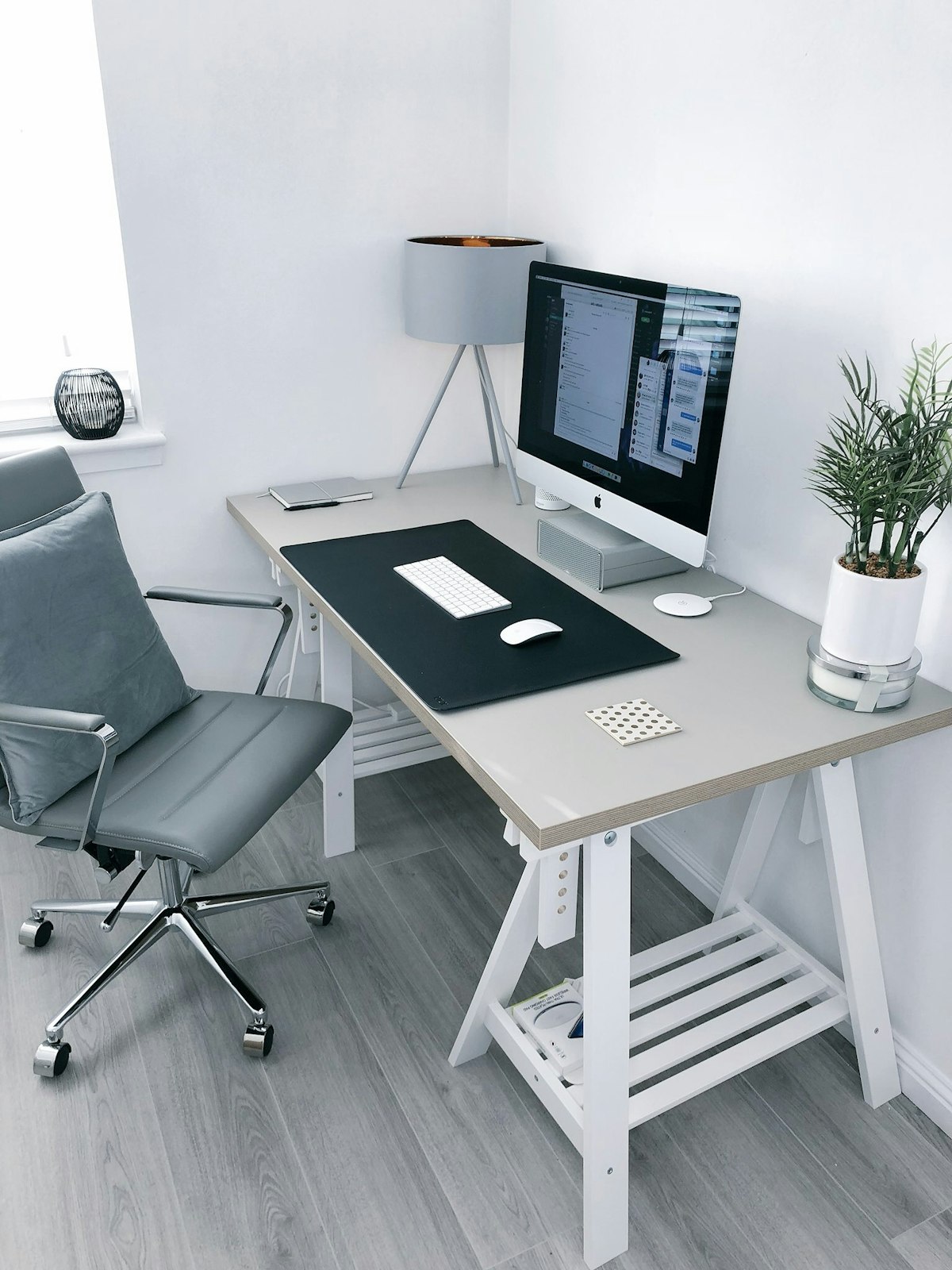
Best Ergonomic Desk Chair Budget Options for 2024
This article contains affiliate links. If you make a purchase through these links, we may earn a small commission at no extra cost to you. This helps support our site and allows us to continue creating helpful content.
Table of Contents
- Quick Picks: Best Ergonomic Desk Chairs Under $300
- How We Evaluated These Budget Ergonomic Chairs
- Detailed Reviews
- Comparison Table
- What to Look for in a Budget Ergonomic Chair
- Frequently Asked Questions
- Final Recommendation
Quick Picks: Best Ergonomic Desk Chairs Under $300
- Best Overall Budget Pick: SIHOO M18 — Adjustable lumbar support and breathable mesh for $150
- Best Under $100: Hbada Office Chair — Flip-up armrests and 90-degree tilt for tight budgets
- Best for Tall Users: NOUHAUS Ergo3D — Extended backrest and adjustable headrest under $200
- Best Minimalist Design: Steelcase Series 1 — Clean aesthetics with proper ergonomics at $240
- Best for Small Spaces: Branch Ergonomic Chair — Compact footprint without sacrificing lumbar support
How We Evaluated These Budget Ergonomic Chairs
We tested chairs priced between $80-$300, focusing on adjustability features that actually matter for daily comfort. Our evaluation prioritized lumbar support quality, seat depth accommodation, and build durability over flashy features that add cost without ergonomic benefit.
Each chair was assessed during extended work sessions to identify real-world comfort issues and long-term durability concerns.
Detailed Reviews
SIHOO M18 — Best Overall Budget Ergonomic Chair
Key Specifications:
- Price: $149-169
- Weight capacity: 330 lbs
- Seat height: 17.7"-21.7"
- Lumbar support: Adjustable mesh
- Warranty: 3 years
The SIHOO M18 delivers the essential ergonomic features most people need without expensive bells and whistles. Its adjustable lumbar support moves both up and down, accommodating different torso lengths effectively.
The mesh backrest promotes airflow during long work sessions, preventing the sweaty-back syndrome common with padded chairs. The seat cushion strikes a good balance between support and comfort, though it’s firmer than luxury options.
Build quality exceeds expectations for this price range. The gas cylinder operates smoothly, armrests feel solid, and the mesh shows no signs of stretching after months of use. The only notable downside is limited seat depth adjustment — taller users might find their knees unsupported.
Hbada Office Chair — Best Budget Pick Under $100
Key Specifications:
- Price: $89-99
- Weight capacity: 250 lbs
- Seat height: 17.3"-21.3"
- Armrests: Flip-up design
- Recline: 90°-135°
For under $100, the Hbada Office Chair offers surprisingly comprehensive ergonomic features. The flip-up armrests are particularly clever — they tuck completely under the desk when not needed, perfect for small workspaces.
The lumbar support isn’t adjustable but positioned well for average-height users. The seat padding provides adequate comfort for 4-6 hour work sessions, though all-day users might want more cushioning.
Assembly takes about 30 minutes with clear instructions. The chair’s biggest limitation is the 250-pound weight capacity and basic build quality — expect some wobble and squeaking after a year of heavy use. Still, it’s an excellent entry point for ergonomic seating.
NOUHAUS Ergo3D — Best for Tall Users
Key Specifications:
- Price: $189-209
- Weight capacity: 275 lbs
- Seat height: 18.5"-22"
- Headrest: Adjustable height and angle
- Back height: 27 inches
The NOUHAUS Ergo3D specifically addresses tall user needs with its extended backrest and adjustable headrest. The lumbar support system uses dual adjustments — height and depth — allowing fine-tuning for different body types.
The 3D armrests move in multiple directions, accommodating various desk heights and work positions. The mesh construction remains comfortable during summer months, and the seat cushion provides good support without being overly firm.
Quality control can be inconsistent — some units arrive with minor defects or uneven mesh tension. Customer service is responsive about replacements. The chair works best for users 5'8" and taller; shorter people might find the proportions awkward.
Steelcase Series 1 — Best Minimalist Design
Key Specifications:
- Price: $235-250
- Weight capacity: 300 lbs
- Seat height: 15.75"-20.5"
- Materials: Recycled plastic back
- Warranty: 12 years
The Steelcase Series 1 brings Steelcase’s ergonomic expertise to the budget category. The LiveBack technology flexes with your spine movement, providing dynamic support throughout the day.
Build quality is excellent — everything feels solid and precisely engineered. The clean design works in professional environments without screaming “budget chair.” The seat foam maintains its shape well over time, unlike cheaper alternatives that develop permanent indentations.
The main drawback is limited adjustability compared to other options. Armrests only adjust in height, and there’s no headrest option. The fixed lumbar support works for most users but can’t accommodate outliers. At this price point, you’re paying for durability and brand reputation over feature richness.
Branch Ergonomic Chair — Best for Small Spaces
Key Specifications:
- Price: $279-299
- Weight capacity: 275 lbs
- Footprint: 26" x 26"
- Lumbar: Built-in support
- Materials: Italian vinyl upholstery
The Branch Ergonomic Chair maximizes ergonomic function within a compact footprint. The built-in lumbar support curve is well-positioned, and the seat depth works for most users without overwhelming small workspaces.
The Italian vinyl feels premium and cleans easily — important for home offices doubling as living spaces. The chair’s aesthetic is distinctly modern without the gaming chair look that dominates this price range.
Limited adjustability is the trade-off for the streamlined design. No headrest, basic armrests, and fixed lumbar position mean this works best for users who fit the standard ergonomic profile. The higher price reflects the premium materials and refined design rather than extensive feature lists.
IKEA Markus — Best Value Long-Term Investment
Key Specifications:
- Price: $229
- Weight capacity: 243 lbs
- Seat height: 16.5"-20.5"
- Backrest: Mesh with built-in lumbar
- Warranty: 10 years
The IKEA Markus has earned a cult following for delivering reliable ergonomic seating at a reasonable price. The mesh backrest provides good airflow, and the built-in lumbar curve supports most users adequately.
The 10-year warranty is exceptional at this price point, and IKEA’s replacement part availability means you can keep this chair functional for years. The seat cushion is firmer than most preferences but maintains its shape well over time.
Major limitations include non-adjustable armrests and a fixed lumbar position. The chair works well for average-height users but doesn’t accommodate extremes. Assembly requires patience — IKEA’s instructions are clear but the process takes about 45 minutes.
Autonomous ErgoChair Core — Best Tech-Forward Budget Option
Key Specifications:
- Price: $199-219
- Weight capacity: 300 lbs
- Adjustments: 6-point customization
- Lumbar: TPE support system
- Assembly: Tool-free design
The Autonomous ErgoChair Core focuses on essential ergonomic adjustments without expensive extras. The TPE lumbar support system flexes naturally while maintaining its shape over time.
The tool-free assembly is genuinely convenient — most components snap together without requiring screws or Allen keys. The mesh backrest breathes well, and the seat cushion provides good support for extended sitting sessions.
Build quality is generally solid, but some users report issues with the gas cylinder after 12-18 months. The minimalist aesthetic works well in modern home offices, though the all-black color scheme might feel too stark for some preferences.
Comparison Table
| Chair | Price | Weight Capacity | Adjustable Lumbar | Headrest | Warranty |
|---|---|---|---|---|---|
| SIHOO M18 | $149-169 | 330 lbs | Yes | Optional | 3 years |
| Hbada Office Chair | $89-99 | 250 lbs | Fixed | No | 1 year |
| NOUHAUS Ergo3D | $189-209 | 275 lbs | Yes (3D) | Yes | 2 years |
| Steelcase Series 1 | $235-250 | 300 lbs | Fixed | No | 12 years |
| Branch Ergonomic | $279-299 | 275 lbs | Built-in | No | 3 years |
| IKEA Markus | $229 | 243 lbs | Built-in | Yes | 10 years |
| Autonomous ErgoChair Core | $199-219 | 300 lbs | Yes | No | 2 years |
What to Look for in a Budget Ergonomic Chair
Lumbar Support Quality
Proper lumbar support maintains your spine’s natural S-curve, reducing lower back strain during long sitting sessions. Look for adjustable lumbar systems that move vertically to match your torso length. Fixed lumbar curves can work if they align with your body, but adjustable options accommodate more users effectively.
Avoid chairs with excessive lumbar padding — firm, targeted support works better than soft cushioning that compresses over time.
Seat Depth and Width
Your seat should support your thighs without putting pressure behind your knees. Most people need 16-20 inches of seat depth, with a few inches of clearance between the seat edge and knee backs.
Seat width matters for comfort and posture — too narrow forces poor positioning, while too wide doesn’t provide adequate leg support. Standard 19-20 inch widths work for most users.
Armrest Functionality
Armrests should position your elbows at roughly 90 degrees when typing, reducing shoulder and neck tension. Height adjustment is essential, but width and angle adjustments help accommodate different body types and desk setups.
Flip-up armrests offer flexibility for small spaces or when the chair doubles as a dining seat.
Build Quality Indicators
Check weight capacity ratings — chairs rated for higher weights typically use stronger materials and construction methods. Metal bases and quality gas cylinders indicate better long-term reliability than plastic alternatives.
Mesh backrests should feel taut without excessive give, while seat cushions should return to shape quickly after compression.
Warranty and Customer Service
Longer warranties indicate manufacturer confidence in build quality. Look for at least 2-3 year coverage on budget chairs, with responsive customer service for addressing issues.
Some brands offer extended warranties for additional cost — evaluate whether the peace of mind justifies the expense based on your usage patterns.
Frequently Asked Questions
How much should I spend on an ergonomic desk chair for home use?
Budget $150-250 for a quality ergonomic chair that will last 3-5 years with regular use. Spending less often means compromising on adjustability or durability, while spending more enters premium territory with diminishing returns for most users.
The sweet spot balances essential ergonomic features with reasonable build quality — enough to support healthy posture without breaking your budget.
Can budget ergonomic chairs really help with back pain?
Yes, but they’re not magic solutions. Budget ergonomic chairs can significantly reduce back strain by promoting proper posture, but existing injuries may require professional treatment. The key is finding a chair that supports your spine’s natural curves and encourages movement throughout the day.
Pair any chair with regular breaks, stretching, and strengthening exercises for best results.
What’s the difference between mesh and padded chairs?
Mesh chairs promote airflow and maintain consistent support over time, making them ideal for warm climates or users who run hot. Padded chairs offer more initial comfort and cushioning but can compress and lose support over years of use.
Mesh durability depends on quality — cheap mesh stretches and sags, while quality mesh maintains tension for years.
How do I know if a chair fits my body properly?
When seated, your feet should rest flat on the floor with thighs parallel to the ground. Your back should contact the lumbar support naturally, and armrests should allow your shoulders to relax with elbows at roughly 90 degrees.
If you experience pressure points, numbness, or have to shift positions frequently to stay comfortable, the chair doesn’t fit properly.
Are gaming chairs better than office chairs for ergonomics?
Most gaming chairs prioritize aesthetics over ergonomics, offering limited adjustability compared to purpose-built office chairs. The bucket seat design can restrict movement and doesn’t accommodate different body types well.
Traditional ergonomic office chairs typically provide better long-term comfort and support for desk work, even if they lack the flashy appearance of gaming chairs.
How long should a budget ergonomic chair last?
Expect 2-4 years of regular use from a quality budget ergonomic chair, depending on build quality and usage intensity. Signs it’s time to replace include compressed seat cushioning, wobbly base, broken adjustments, or developing discomfort during normal use.
Higher-end budget options with better warranties can last 5-7 years with proper care and maintenance.
Final Recommendation
The SIHOO M18 offers the best combination of essential ergonomic features, build quality, and value for most people shopping for an ergonomic desk chair on a budget. Its adjustable lumbar support, breathable mesh construction, and solid build quality justify the $150 price point.
For tighter budgets, the Hbada Office Chair delivers surprising functionality under $100, while the NOUHAUS Ergo3D better serves tall users willing to spend slightly more.
Remember that the best ergonomic chair is one you’ll actually use properly. Focus on finding adequate adjustability for your body type and workspace rather than chasing every possible feature within your budget constraints.