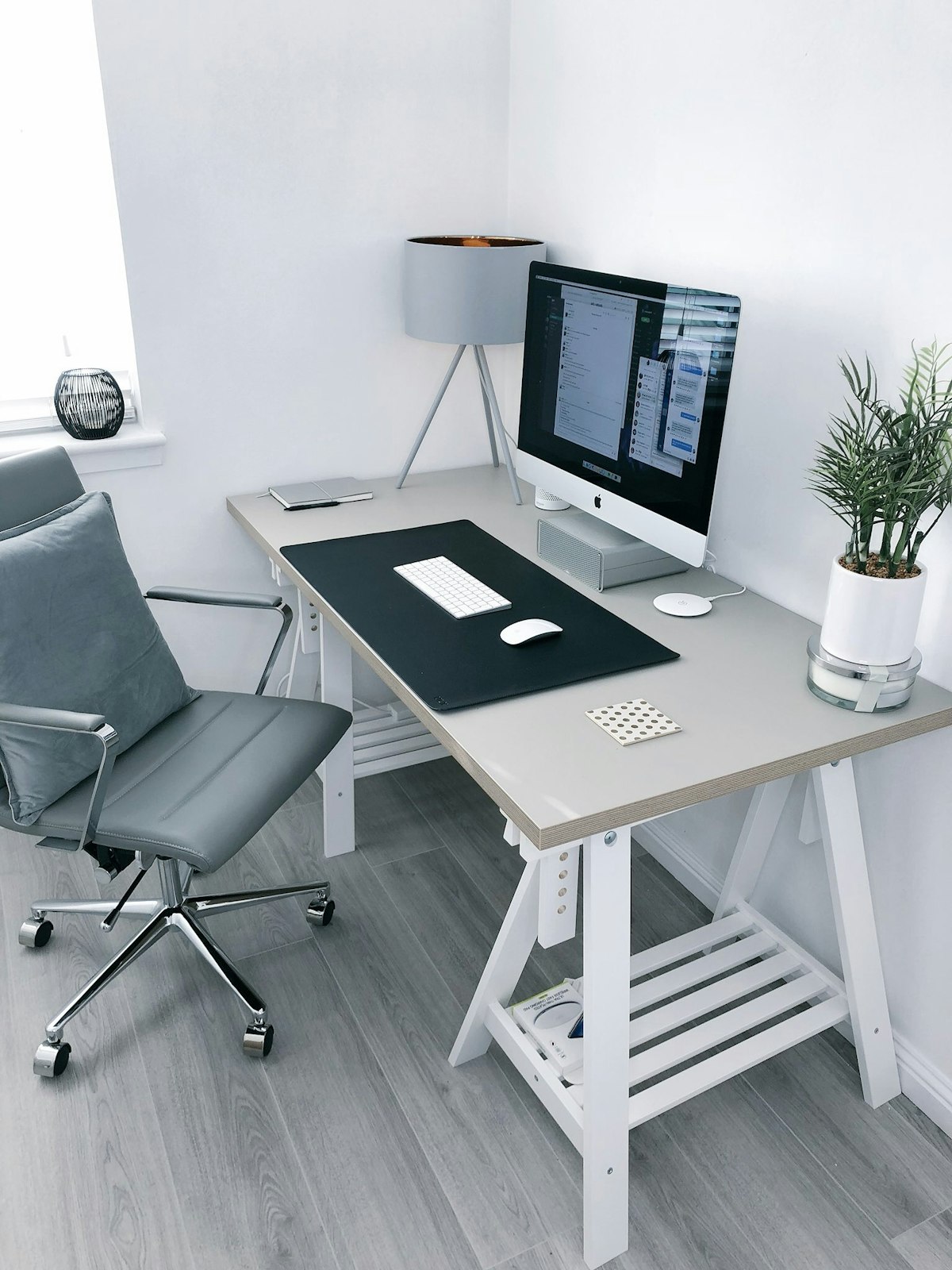
Best Ergonomic Desk Chair Reviews 2024: Top Picks
This article contains affiliate links. If you make a purchase through these links, we may earn a small commission at no extra cost to you. This helps support our site and allows us to continue creating helpful content.
Table of Contents
- Key Takeaways
- Introduction
- What Makes a Chair Truly Ergonomic
- Top Ergonomic Desk Chair Categories
- Key Features to Evaluate in Ergonomic Desk Chair Reviews
- Common Mistakes to Avoid
- FAQ
- Summary
Key Takeaways
• Lumbar support is non-negotiable — A chair without proper lower back support will cause pain within weeks of regular use • Adjustability trumps price — A $300 chair with seat height, armrest, and tilt adjustments will serve you better than a $800 chair with limited customization • Test the weight limit — Most ergonomic chairs support 250-300 lbs, but heavy-duty options can handle up to 400 lbs without compromising comfort • Mesh beats leather for long sessions — Breathable mesh backrests prevent sweating and maintain comfort during 8+ hour workdays • Warranty length signals quality — Premium ergonomic chairs offer 10-12 year warranties, while budget options typically provide 2-5 years
Introduction
Shopping for an ergonomic desk chair feels overwhelming when you’re staring at dozens of models with similar features and wildly different price tags. The wrong choice means months of back pain, poor posture, and productivity struggles that could have been easily avoided. This guide cuts through the marketing hype to show you exactly what separates genuinely supportive chairs from expensive disappointments.
What Makes a Chair Truly Ergonomic
Essential Support Features
Real ergonomic design goes far beyond a curved backrest and padded seat. Your spine has three natural curves that need individual support throughout your workday.
The lumbar region requires the most attention. A proper lumbar support should fit snugly into the curve of your lower back, roughly 6-8 inches above your seat. This support should be both height and depth adjustable — your back changes position as you lean forward to type or recline during calls.
Seat depth matters more than most people realize. Your thighs should rest fully on the seat with 2-4 inches of space between your knees and the seat edge. Too shallow and you lose leg support; too deep and you’re forced to scoot forward, eliminating back support entirely.
Movement and Adjustability
Static sitting kills comfort and circulation, regardless of how well-designed your chair is. Quality ergonomic chairs encourage natural movement through features like synchronized tilt mechanisms that keep your feet planted while reclining.
Height adjustment seems obvious, but many chairs only adjust within a 4-5 inch range. Your feet should rest flat on the floor with thighs parallel to the ground. If you’re under 5'4" or over 6'2", verify the chair’s height range before buying.
Armrest adjustability extends beyond simple up-down movement. Look for chairs offering width adjustment (closer or further from your body) and pivot functionality (angling inward for keyboard work). The Herman Miller Aeron pioneered this multi-directional approach that many manufacturers now copy.
Top Ergonomic Desk Chair Categories
Premium Office Chairs ($800-1500)
High-end ergonomic chairs justify their price through superior materials, extensive adjustability, and decade-plus lifespans. These chairs typically feature aluminum frames, genuine leather or high-grade mesh, and mechanisms that maintain their precision after years of daily use.
The Herman Miller Embody exemplifies this category with its spine-mimicking backrest design and pressure-distributing seat. Users report the same comfort level after five years as day one, though the $1,200+ price point requires serious commitment.
Steelcase Leap V2 offers comparable ergonomics with intuitive controls that most users can master without reading the manual. Its LiveBack technology automatically adjusts spine support as you move, reducing the need for constant manual adjustments.
Mid-Range Options ($300-800)
This sweet spot delivers serious ergonomic benefits without premium pricing. You’ll sacrifice some build quality and advanced features, but gain 80% of the comfort at half the cost.
Humanscale Freedom strips away complex adjustment mechanisms in favor of automatic weight-responsive recline. The result is a chair that adapts to your movements without requiring constant tweaking of knobs and levers.
The Haworth Zody brings corporate-grade ergonomics to home offices through its asymmetrical lumbar support system. This feature accommodates the fact that most people’s spines aren’t perfectly symmetrical — a detail overlooked by many competitors.
Budget-Friendly Ergonomic Chairs ($100-300)
Budget ergonomic chairs require careful selection since many sacrifice essential features to hit lower price points. Focus on models that nail the basics rather than offering mediocre versions of premium features.
IKEA Markus has earned cult status among remote workers for delivering genuine lumbar support and breathable mesh at under $200. The fixed armrests limit customization, but the chair’s 10-year warranty demonstrates IKEA’s confidence in its durability.
Staples Hyken frequently appears on “best budget ergonomic chair” lists due to its adjustable lumbar support and breathable mesh backrest. At roughly $150, it offers features typically found on chairs costing twice as much.
Specialized Options
Certain work situations demand chairs designed for specific needs beyond standard office ergonomics.
Gaming chairs have evolved beyond flashy aesthetics to incorporate legitimate ergonomic features. The Secretlab Titan Evo offers adjustable lumbar support, multi-tilt mechanisms, and premium materials that rival traditional office chairs. However, racing-style designs may feel excessive in professional settings.
24/7 chairs are built for round-the-clock use in dispatch centers, security stations, and similar environments. These models feature heavy-duty mechanisms rated for continuous operation and materials that withstand constant use. The Steelcase 24-7 represents this category with reinforced components and specialized foam that maintains shape under extreme usage.
Key Features to Evaluate in Ergonomic Desk Chair Reviews
Seat Comfort and Construction
Seat foam quality determines long-term comfort more than initial impressions suggest. High-density foam maintains its shape and support for years, while low-density foam compresses quickly, creating pressure points and discomfort.
Waterfall seat edges prevent circulation problems by eliminating pressure on the backs of your thighs. This subtle design feature becomes crucial during extended sitting sessions, though it’s often overlooked in basic chair descriptions.
Seat width accommodates different body types, but most manufacturers stick to a 19-21 inch standard. Larger individuals should verify seat dimensions, as cramped seating negates other ergonomic benefits.
Backrest Design and Support
Mesh vs. upholstered backrests represent different comfort philosophies. Mesh provides superior breathability and typically offers more targeted lumbar support. Upholstered options feel more luxurious initially but can trap heat during long work sessions.
Backrest height affects upper body support. Low-back chairs focus solely on lumbar support, while high-back models include neck and shoulder support. Your choice depends on work habits — frequent phone calls benefit from headrest support, while keyboard-intensive work prioritizes lower back care.
Tilt tension adjustment lets you customize recline resistance to your body weight and preferences. Light individuals need less tension to recline comfortably, while heavier users require more resistance to prevent over-reclining.
Armrest Functionality
Armrest adjustment directly impacts shoulder and neck comfort. Fixed armrests force your body to adapt to the chair rather than the reverse. Height-adjustable armrests represent the minimum acceptable level of customization.
Width adjustment addresses body size differences and desk configurations. Wider individuals need armrests positioned further apart, while narrow desks require armrests that tuck closer to the body to fit properly.
Armrest padding affects long-term comfort, especially for users who rest their arms frequently. Soft padding feels comfortable initially but compresses over time. Firmer padding maintains support longer but may feel less luxurious.
Build Quality Indicators
Weight limits reveal structural integrity. Chairs rated for 300+ pounds typically feature stronger frames and mechanisms, even if you weigh less. This over-engineering translates to longer lifespan and maintained adjustability.
Wheel quality impacts daily usability more than most people expect. Cheap wheels stick, roll poorly on carpet, or scratch hard floors. Quality chairs include appropriate wheels for your flooring type or offer upgrade options.
Mechanism smoothness indicates manufacturing precision. Adjustment controls should operate smoothly without excessive force or play. Jerky movements or loose handles suggest corner-cutting that will worsen over time.
Common Mistakes to Avoid
Prioritizing Aesthetics Over Function
Many buyers choose chairs based on appearance rather than ergonomic merit. That sleek executive chair with minimal adjustability will look impressive in your home office but cause back pain within weeks of regular use. Focus on features that support your body rather than complement your decor.
Ignoring Your Specific Work Habits
Generic ergonomic advice doesn’t account for individual work patterns. If you spend most of your day leaning forward for detailed work, prioritize forward tilt functionality over extensive recline options. Phone-heavy roles benefit from headrests and armrest mobility, while keyboard work demands precise lumbar support positioning.
Skipping the Break-In Period
Quality ergonomic chairs require 1-2 weeks to feel completely comfortable as your body adapts to proper posture support. Many people return chairs during this adjustment period, missing out on long-term benefits. Give new chairs adequate time unless you experience actual pain rather than unfamiliarity.
Buying Based on Single Reviews
Individual reviews reflect personal preferences and body types that may not match yours. A chair that’s perfect for a 5'6" person might be uncomfortable for someone 6'2". Look for review patterns across multiple sources and prioritize feedback from users with similar physical characteristics and work requirements.
FAQ
How much should I spend on an ergonomic desk chair?
Spend at least $200-300 for genuine ergonomic benefits. Chairs under $150 rarely offer adequate adjustability or durability for daily use. The $300-600 range provides excellent value, while $800+ chairs offer premium materials and advanced features that benefit power users but aren’t necessary for everyone.
Do mesh chairs provide enough support compared to padded chairs?
High-quality mesh provides excellent support while maintaining breathability throughout long work sessions. The key is mesh tension — properly tensioned mesh contours to your back while providing firm support. Cheap mesh chairs often lack adequate tension adjustment, making them less supportive than quality padded alternatives.
How do I know if a chair fits my body type?
Check seat height range against your leg length, seat depth against your thigh length, and backrest height against your torso. Most manufacturers provide detailed dimensions, though trying chairs in person remains ideal. For online purchases, verify return policies allow adequate testing time.
Are gaming chairs actually ergonomic?
Modern gaming chairs from reputable brands offer legitimate ergonomic features, though their racing-inspired aesthetics may not suit all environments. Focus on adjustment options and support features rather than brand marketing. Many gaming chairs now match or exceed traditional office chairs in functionality.
How long should an ergonomic chair last?
Quality ergonomic chairs should provide 7-10 years of daily use with proper maintenance. Premium models often last 12-15 years. Warranty length typically indicates expected lifespan — chairs with 10+ year warranties are built for long-term durability.
Can ergonomic chairs prevent back pain?
Ergonomic chairs support proper posture and reduce strain, but they can’t reverse existing injuries or compensate for poor overall ergonomics. Combine a quality chair with appropriate desk height, monitor positioning, and regular movement breaks for maximum benefit.
Summary
Start by identifying your specific needs: work duration, body dimensions, and primary tasks. This focus prevents getting overwhelmed by feature lists and marketing claims.
Set a realistic budget in the $300-600 range for quality ergonomic benefits without premium pricing. This range offers the best balance of features, durability, and value for most users.
Test chairs when possible, but don’t let limited local selection prevent you from buying online. Prioritize retailers with generous return policies that allow adequate testing time in your actual workspace.
Focus on essential adjustability: seat height, lumbar support, and armrests. These core features matter more than advanced mechanisms you may never use.
Remember that the best ergonomic chair is the one that fits your body and supports your specific work habits. Expensive doesn’t always mean better if the chair doesn’t match your needs.